Scuba Diving in St Barts: Sites, Centres and Whether It’s Worth It
What diving in St Barts is really like: the marine reserve, easy reef dives, dive centres in Gustavia, trying it as a beginner, and when to add a day trip to Saba.
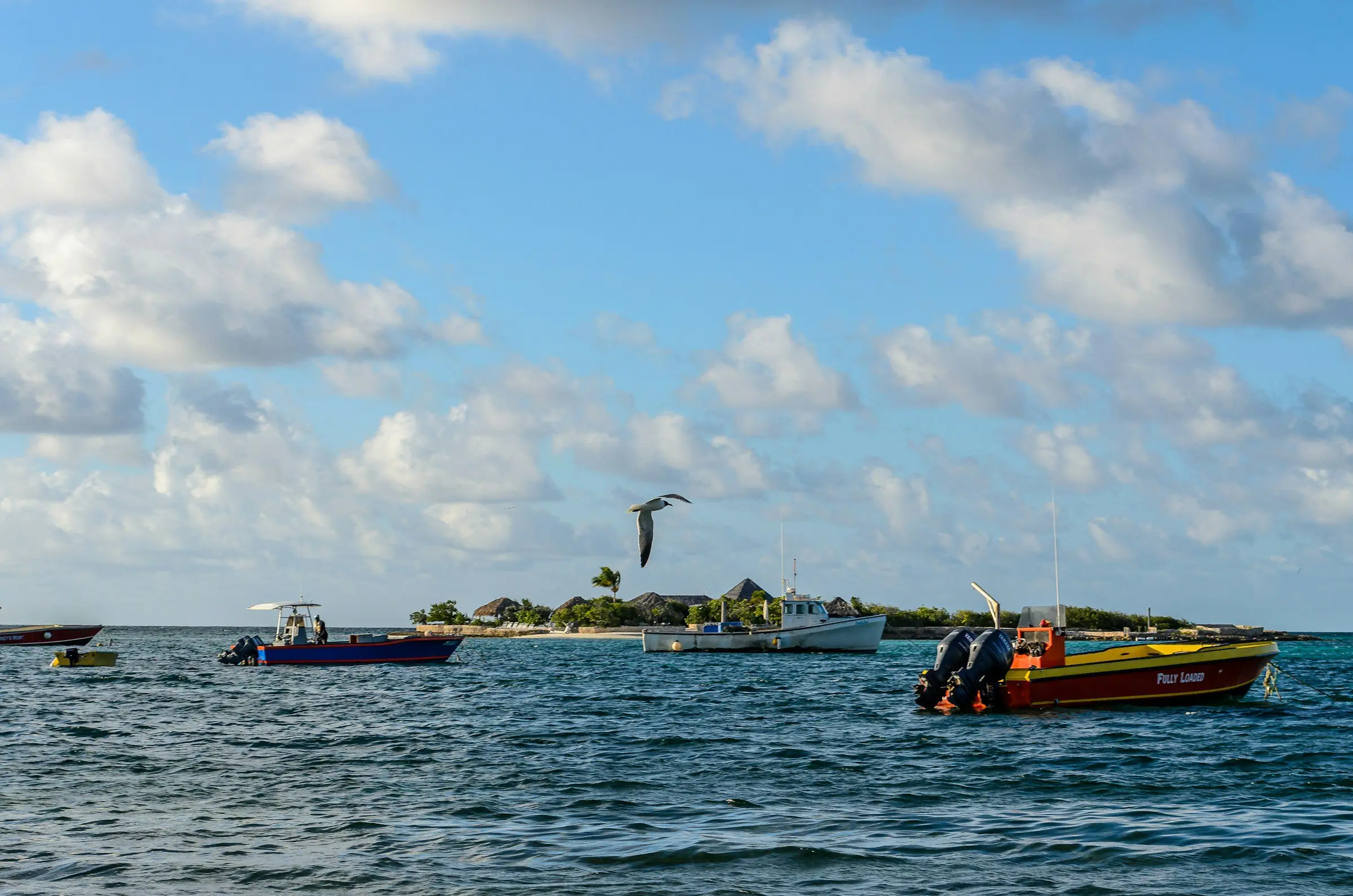
Diving is where St Barts splits opinion on the forums. Some visitors rave about gentle, fish-filled dives in warm, clear water; others say the real diving is next door and you should save your tanks for Saba. Both are right, and knowing which camp you are in before you book saves disappointment. Here is the honest picture of scuba diving in St Barts: what it is, what it is not, and how to do it well.
Set your expectations right
St Barth is a lovely place to dive easily, not a place for dramatic, technical diving. That is the single most useful thing to understand.
What you get is warm water, generally good visibility, and protected sites around the little islets and rocks off the coast: reef fish in numbers, turtles, rays, and the occasional bigger visitor, in conditions that are usually calm and forgiving. What you do not get is the sheer walls, pinnacles and big-animal drama that make some Caribbean islands bucket-list dive destinations. If your idea of diving is relaxed and scenic, St Barth delivers. If it is adrenaline and depth, temper your expectations here and read on.
The marine reserve, and why the fish are there
Part of the reason the diving is pleasant is that it is protected. A marine nature reserve covers several zones around the island, limiting what can happen in them and giving the coral and fish room to thrive. In practice that means healthier sites and clearer rules: your dive centre will brief you on where you can go and how to behave, and following those rules is what keeps the reserve worth diving. It is a genuine plus, not red tape.
Dive centres and trying it out
Diving here is run through dive centres based mainly in Gustavia. They handle the boats, the guiding and the gear, and there is something for every level.
As with everything on the island, book ahead in high season. Boats and instructors are limited, and the good weather windows fill up. A villa near Gustavia puts you minutes from the dive boats, which is worth bearing in mind when you choose where to stay; it is easy to browse the villas by area.
When to go to Saba instead
Here is the honest counsel the forums give, and it is right. If you are a keen, certified diver chasing the best diving in the region, the answer is often a day trip to Saba, the small Dutch island whose pinnacles and walls are famous among divers. It is a boat ride away and makes a superb day out for the serious. Our day trips guide covers the neighbouring islands, and you can look at options for the island-hopping crossing or a private boat to get there.
For everyone else, and for a first-timer or a family mixing a dive with beach days, the local sites are the easy, rewarding choice, and they pair naturally with a mask-and-fins day. Our snorkeling guide covers the shallow-water version of the same reefs.
Who it suits
Scuba diving in St Barts is easy, pretty and well protected, ideal for beginners, families and anyone who wants a relaxed dive between beach days, with a marine reserve keeping the sea life healthy. Book through a Gustavia dive centre, go early in the day and ahead in the season, and if you are a serious diver, treat Saba as the add-on that satisfies the craving. Either way the water is a big part of St Barth, and it is worth getting under it. For the snorkeling side, see our snorkeling guide.
Common questions
Is St Barts good for scuba diving?
It is good for easy, pretty diving rather than dramatic, advanced diving. Warm water, decent visibility and protected sites around the offshore islets mean reef fish, turtles and rays. Serious divers often add a day trip to Saba, the region’s standout for wall and pinnacle diving.
Are there dive centres in St Barts?
Yes. Dive centres based mainly in Gustavia run trips to the local sites, offer intro dives for beginners and guided dives for certified divers, and can arrange courses. Book ahead in high season, when demand and boats are stretched.
Do you need to be certified to dive in St Barts?
Not for a first taste. Dive centres offer supervised intro dives that let uncertified beginners try it in shallow, calm conditions. Certified divers can join guided dives, and some centres run certification courses if you want to qualify during your stay.
Is there a marine reserve in St Barts?
Yes. A marine nature reserve protects several zones around the island, which is part of why the sea life is healthy. Diving and snorkeling in these areas come with rules to protect the coral and fish, which your dive centre will brief you on.
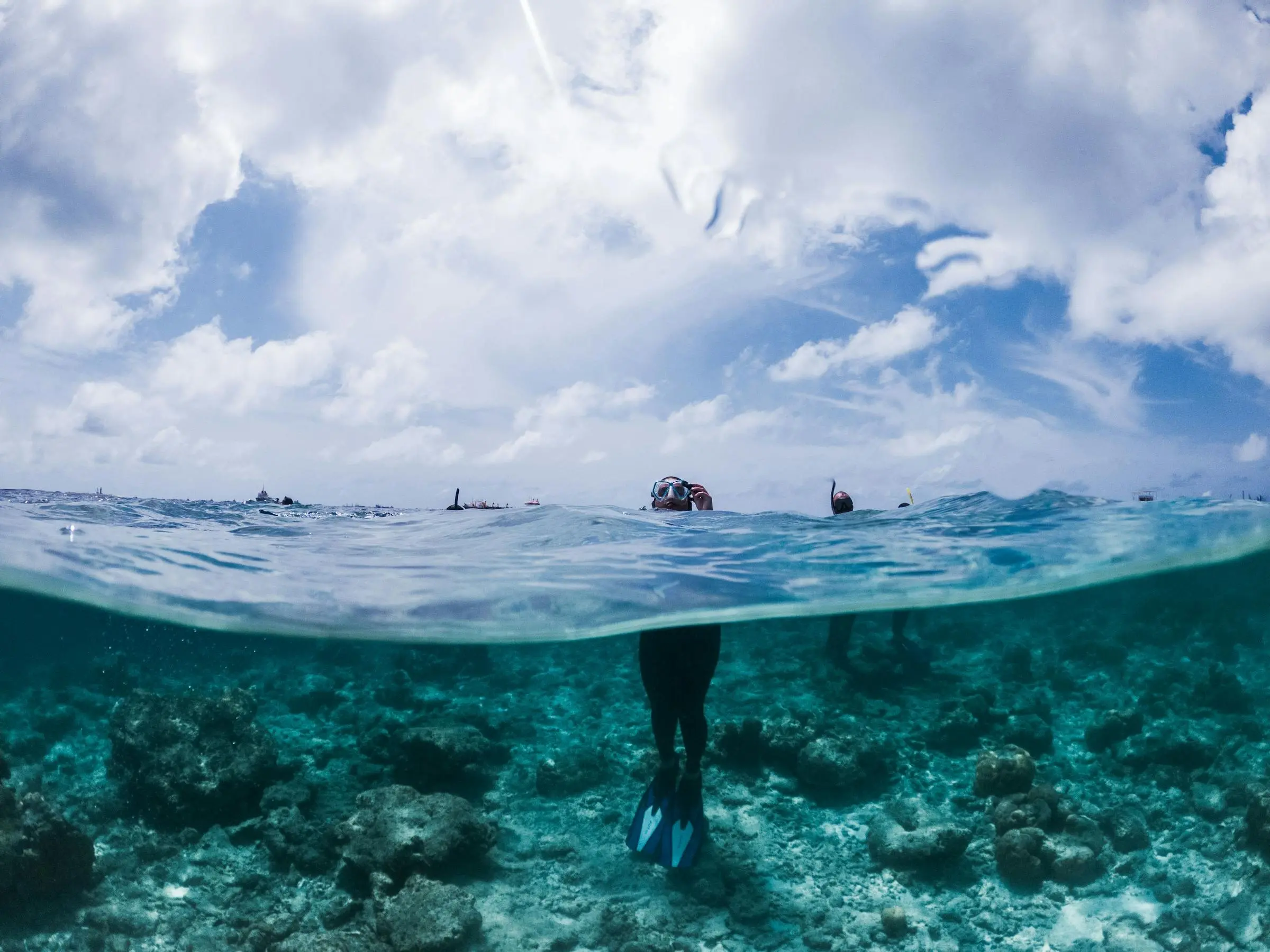
Snorkeling in St Barts: The Best Beaches to Snorkel From Shore
Where to snorkel straight from the beach in St Barth: a local guide to Shell Beach, St Jean, Corossol and Gouverneur, and when a boat is worth it.
Read this next →More from the field guide
-
 Things to Do
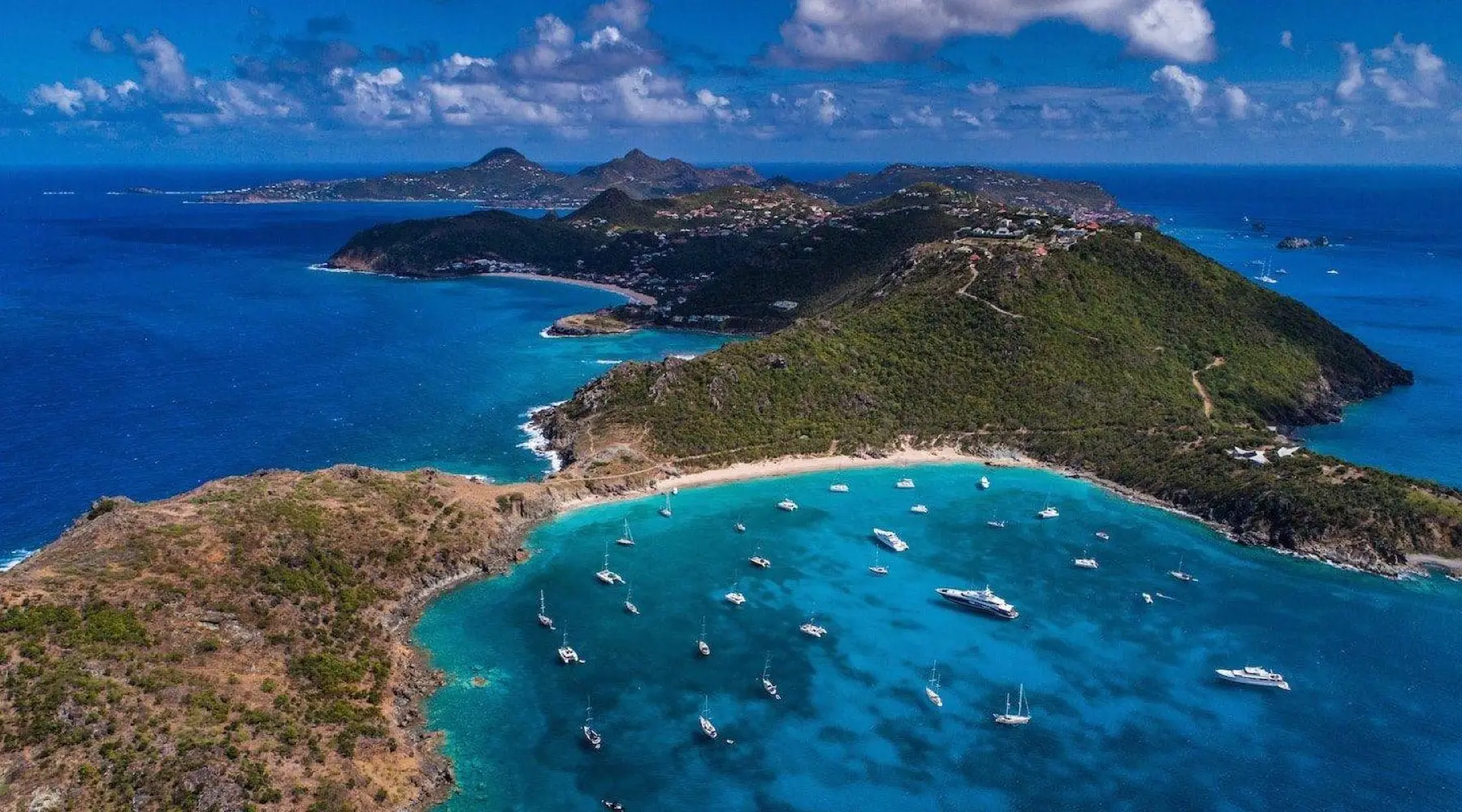
Hiking in St Barts: The Best Walks and Trails
A guide to hiking in St Barts: the beautiful coastal walk to Colombier beach, the Natural Pool at Grand Fond, the viewpoint walks, and what to bring.
-
 Things to Do
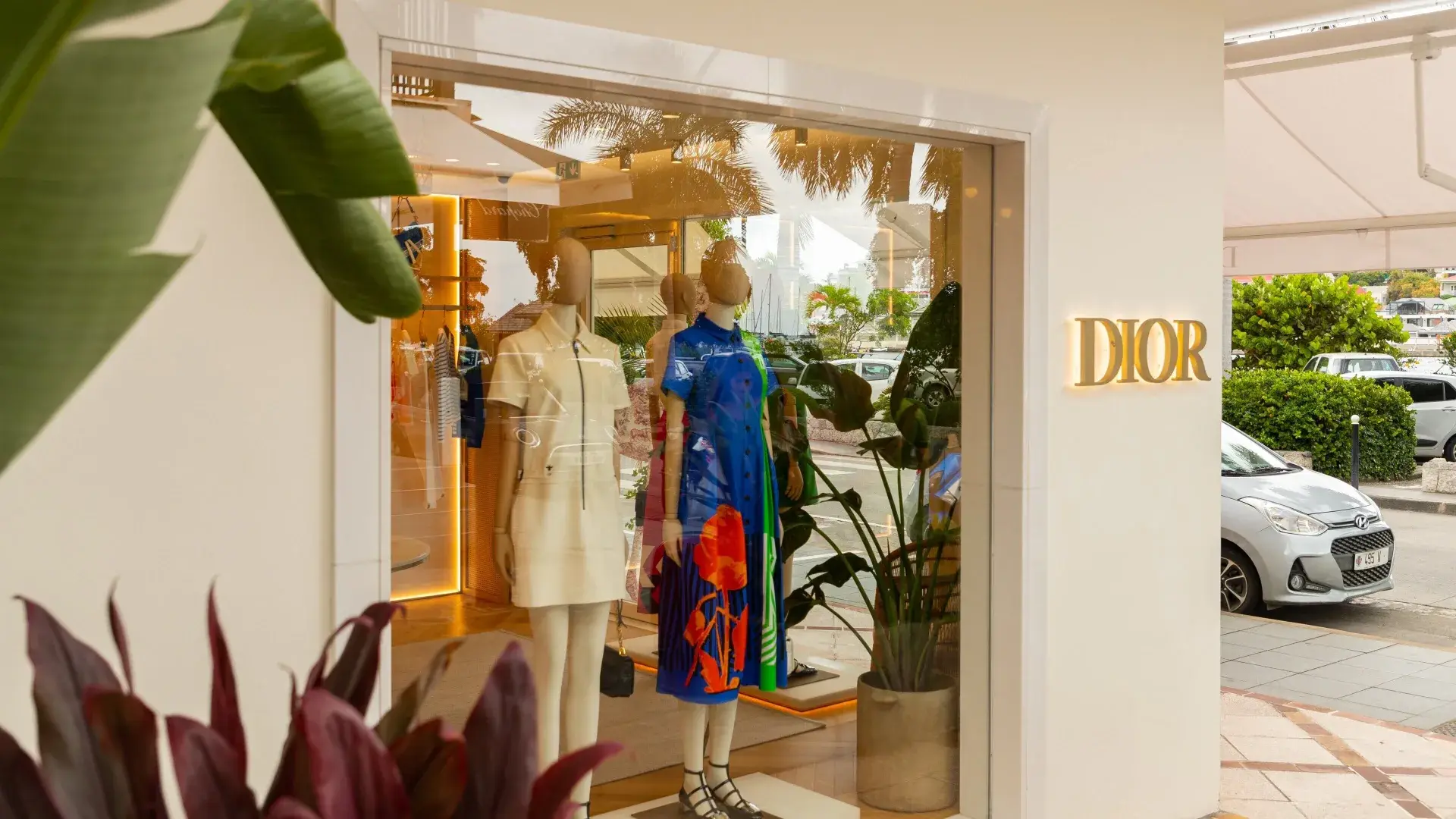
Shopping in St Barts: Duty-Free, Gustavia and What’s Worth It
St Barts is a duty-free island known for luxury shopping. Where to shop, street by street, what is really cheaper, what is not, and how the island’s opening hours work.