Hiking in St Barts: The Best Walks and Trails
A guide to hiking in St Barts: the beautiful coastal walk to Colombier beach, the Natural Pool at Grand Fond, the viewpoint walks, and what to bring.
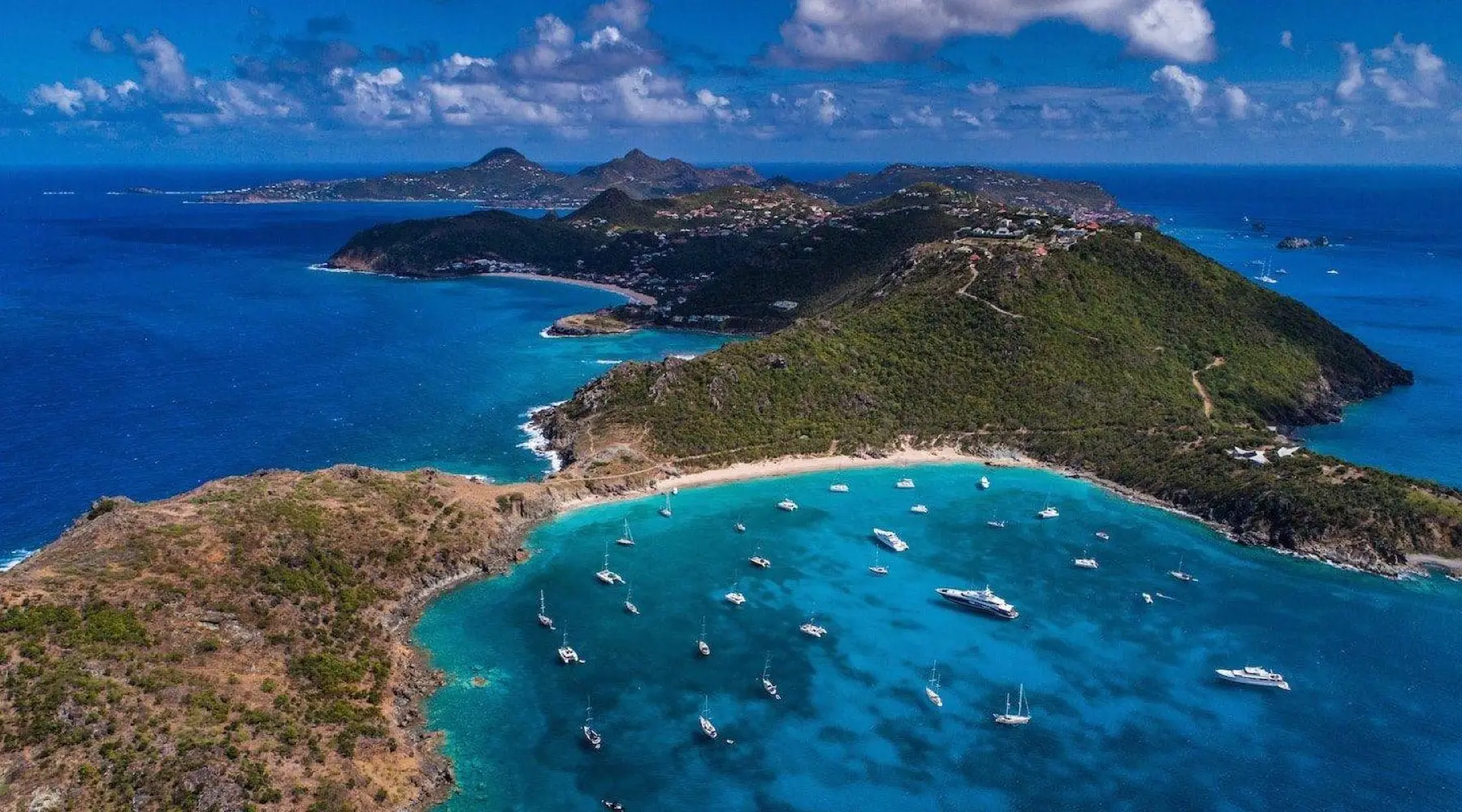
St Barts is better known for its beaches and its boats than its trails, but the island walks well. The paths are short, the views are wide, and a couple of them lead to places you cannot reach any other way. This guide covers hiking in St Barts: the walk to Colombier, the Natural Pool at Grand Fond, the shorter viewpoint walks, and what to bring for the heat.
Hiking on a small island
Set your expectations the right way. This is not a hiking island in the long-distance sense. The walks are short, an hour or two at most, and the reward is usually a view or a beach rather than a summit. What they ask of you is less about fitness and more about timing.
The heat is the real factor. There is little shade on most of these paths, and the midday sun is strong. Walk in the morning or the late afternoon, carry more water than you think you need, and the island’s trails become a pleasure rather than a slog.
The walk to Colombier
The trail to Colombier is the one walk to do in St Barts, and the one most locals name first. It runs along the coast to Colombier beach, a beautiful stretch of sand at the north-west tip of the island with no road to it. You reach it on foot or by sea, and plenty of visitors arrive the other way, anchoring off the sand on a boat trip around the island.
Most walkers start from the end of the road at Flamands, on the Petite Anse side, which is the shorter and more scenic way in. If the steep lanes up to the trailhead do not appeal, a private driver can drop you at Flamands and collect you when you are done. The path is roughly twenty-five to thirty minutes each way, cut into the hillside with the sea beside you the whole time. It climbs and dips along the cliff, never hard but never quite flat, and you will probably share it with a few of the island’s goats. The views back over Flamands beach are reason enough to stop more than once.
Wear closed shoes rather than flip-flops, since the ground is rocky in places. The payoff is a calm, often near-empty beach with clear water, good snorkeling and a fair chance of turtles. Bring water and something to eat, because there is nothing for sale at Colombier. Our quietest beaches guide has more on the beach itself.
The Natural Pool at Grand Fond
For something more adventurous, the Natural Pool sits on the wild windward coast near Grand Fond. It is a tide pool held back from the open ocean by a rim of rock, reached by a short scramble down from the road. The path is not signposted, so it is worth asking locally or checking a map for the Grand Fond access before you set out.
In calm conditions it is a wonderful place, a sheltered, clear pool with the Atlantic breaking just beyond it. Windy is the forecast most people here check.
Shorter walks and viewpoints
Beyond those two, the island has plenty of shorter legs. The heights above Gustavia hold the remains of two old forts. Fort Gustav, up by the lighthouse, gives you the harbour and the rooftops from above, and it is only a few minutes from town. Fort Karl, on the other side of the bay, is a quieter climb with a view down over Shell Beach.
For a longer walk with a real panorama, Morne du Vitet is the island’s high point. A track climbs most of the way, and the top opens a view across the whole of St Barts and out to the islands beyond. It is the closest thing the island has to a summit.
Several of the roads to the wilder beaches involve a short walk in their own right. Gouverneur and Saline both ask you to cross a dune or follow a track down to the sand. The coast at Toiny, on the rugged south-east side, makes a fine short walk when the swell is up and the surf is loud against the rocks. None of these need planning. They are the kind of thing you do on the way to somewhere else.
When to walk
Timing matters more than the season here. The island is warm all year, so the real choice is the hour of the day. Early morning is best, before the sun climbs and while the air still moves. Late afternoon works too, with better light for the views as a bonus. The stretch from late morning to mid-afternoon is the one to avoid for anything more than a stroll. After a spell of rain, the rockier paths stay slick for a while, so give them time to dry.
What to bring
The island’s walks are easy to underestimate because they are short. A few simple things make all the difference. Wear closed shoes with grip, not sandals. Carry plenty of water. Use sun protection and a hat, since shade is rare. Go early or late to dodge the worst of the heat. If your walk ends at a beach, reef shoes and a mask earn their place in the bag.
Get the timing and the kit right, and hiking in St Barts becomes one of the quiet highlights of a stay, and one of the few things on the island that costs nothing at all.
For the wider picture of how to spend your days, see our guide to things to do in St Barts, or the main beaches guide for what waits at the end of the Colombier trail.
Common questions
Is St Barts good for hiking?
It walks well, though it is not a hiking island in the long-distance sense. The paths are short, an hour or two at most, and the reward is usually a view or a beach. The Colombier trail is the one to do.
What is the best hike in St Barts?
The coastal walk to Colombier beach, roughly twenty-five to thirty minutes each way from the end of the road at Flamands. It ends at a calm, near-empty beach with no road, good snorkeling and a fair chance of turtles.
Is the Natural Pool at Grand Fond safe?
Only in calm conditions. It is a tide pool reached by a short scramble on the wild windward coast, and in any swell waves wash over the rocks. Check a marine forecast first, and if it looks rough, save it for another day.
When should you hike in St Barts?
Early morning is best, before the sun climbs, or late afternoon for the light. Avoid late morning to mid-afternoon for anything more than a stroll, and give rocky paths time to dry after rain.
Boat Trips and Day Charters in St Barts
How to spend a day on the water in St Barts: where to go by boat, what a boat day involves, choosing a private charter or a shared trip, and island hopping.
Read this next →More from the field guide
-
 Things to Do
Scuba Diving in St Barts: Sites, Centres and Whether It’s Worth It
What diving in St Barts is really like: the marine reserve, easy reef dives, dive centres in Gustavia, trying it as a beginner, and when to add a day trip to Saba.
-
 Things to Do
Shopping in St Barts: Duty-Free, Gustavia and What’s Worth It
St Barts is a duty-free island known for luxury shopping. Where to shop, street by street, what is really cheaper, what is not, and how the island’s opening hours work.