The Swedish History of St Barts: Why Gustavia Has a King’s Name
St Barts was Swedish for nearly a century. How that happened, why the capital is called Gustavia, why the island is duty-free, and the Swedish traces you can still see.
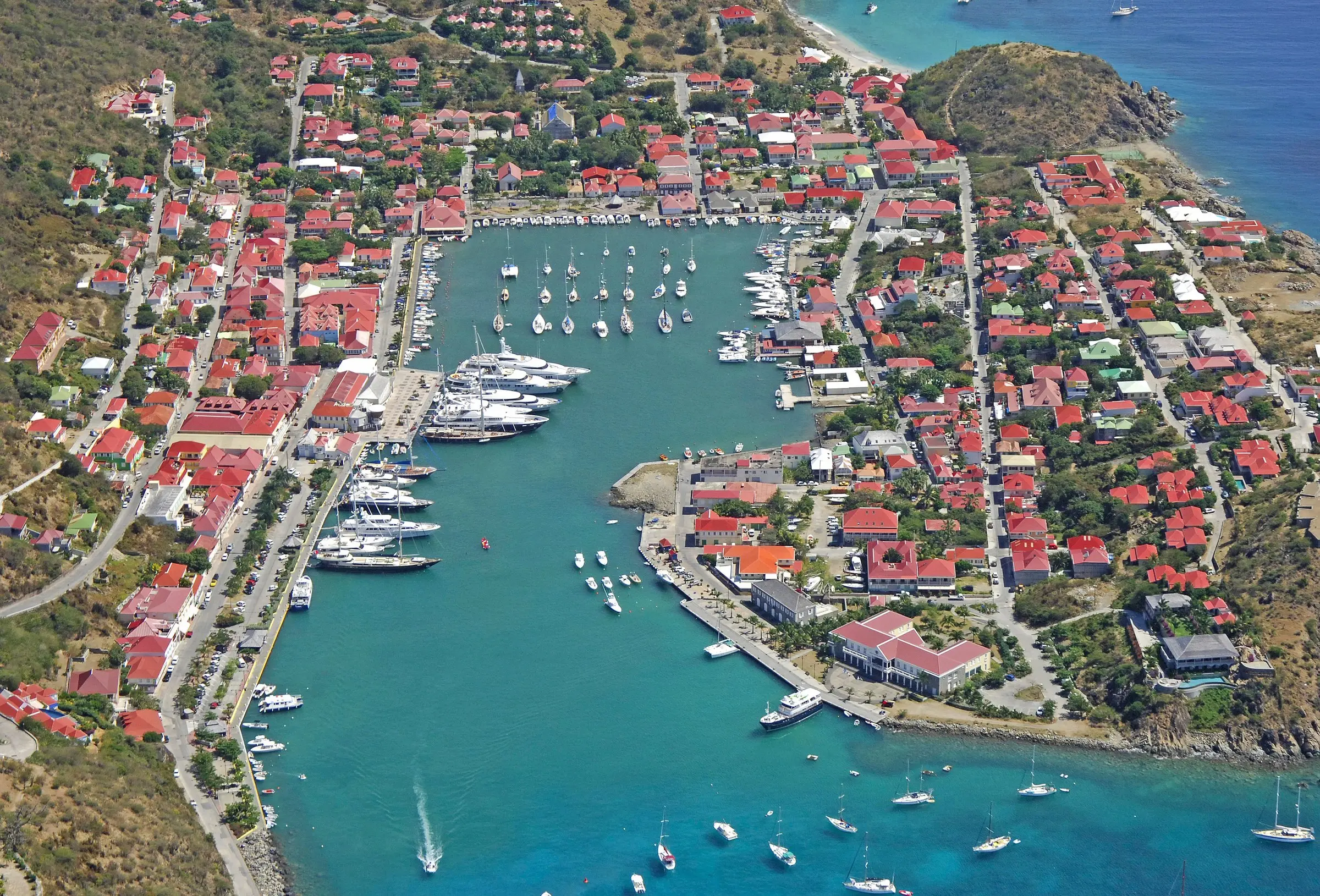
Visitors are often puzzled by the same thing: this is a French island, so why is the capital called Gustavia, a name that sounds Scandinavian? The answer is one of the Caribbean’s odder stories. For nearly a hundred years, St Barts was Swedish. That single fact explains the name, the duty-free shopping, and a handful of landmarks you will pass without realising their history. Here is the short version, and what to look for.
How St Barts became Swedish
The island changed hands in 1784. France, which had held the small, dry, hard-to-farm island, handed it to Sweden in exchange for trading rights in the Swedish port of Gothenburg. It was a deal about commerce, not conquest, and it made St Barthélemy Sweden’s only real colony in the Caribbean.
The Swedes did the sensible thing with a rocky island that could not grow much: they turned it into a trading hub. They named the harbour town Gustavia after their king, Gustav III, and, crucially, declared it a free port, a place where goods could be traded without the usual duties. For a while it thrived as a neutral trading post.
Why it still matters today
Here is the part that reaches into your holiday. That free-port status is the direct ancestor of the island’s modern duty-free character. St Barth has no VAT, and its reputation as a shopping island, for watches, jewellery and luxury goods, traces straight back to the Swedish decision to make Gustavia a free port. When you browse the boutiques, you are enjoying a two-hundred-year-old policy. Our shopping guide covers what that means in practice.
Sweden eventually found the island more trouble than it was worth, and in 1878 sold it back to France, where it has remained ever since. What is remarkable is how much of the Swedish century survives in plain sight.
The Swedish traces to look for
You do not need a guided tour to find the history, though it makes a good half-day. The two hilltop forts above Gustavia, Fort Gustav and Fort Karl, carry Swedish royal names and give the best views over the harbour, which doubles the reason to climb them; our hiking guide covers the walks up. Down in town, some of the old street names and the small territorial museum tell the story in more detail, and the Swedish three crowns still appear on the island’s coat of arms.
It all adds up to St Barth’s real character: French in law and language, Swedish in the name of its capital, and Caribbean in setting. That unusual blend is a large part of why the island feels different from its neighbours.
Not just a footnote
St Barts spent nearly a century as a Swedish free port, and that history is not a footnote: it named the capital, shaped the duty-free island you shop in today, and left forts and traces you can still visit. Knowing it makes a walk around Gustavia far richer. If you want to base yourself near the town to explore it, you can browse villas close to Gustavia, and our guide to things to do in St Barts covers the rest of the island.
Common questions
Why is the capital of St Barts called Gustavia?
Because Sweden ruled the island from 1784 to 1878 and named the harbour town after its king, Gustav III. The Swedish period is why the capital carries a Scandinavian name on an otherwise French Caribbean island.
Was St Barts ever Swedish?
Yes. France handed it to Sweden in 1784, and it stayed Swedish for almost a century until Sweden sold it back to France in 1878. It is the one corner of the Caribbean with a Swedish colonial past.
Why is St Barts duty-free?
The free-port status dates from the Swedish era, when Gustavia was made a free port to encourage trade. That heritage carries through today: St Barth has no VAT, which underpins its famous duty-free shopping.
What Swedish landmarks can you still see in St Barts?
The name Gustavia itself, the hilltop forts Gustav and Karl, some old street names, and the small museum in Gustavia that tells the island’s story. The Swedish three crowns still appear in the island’s coat of arms.
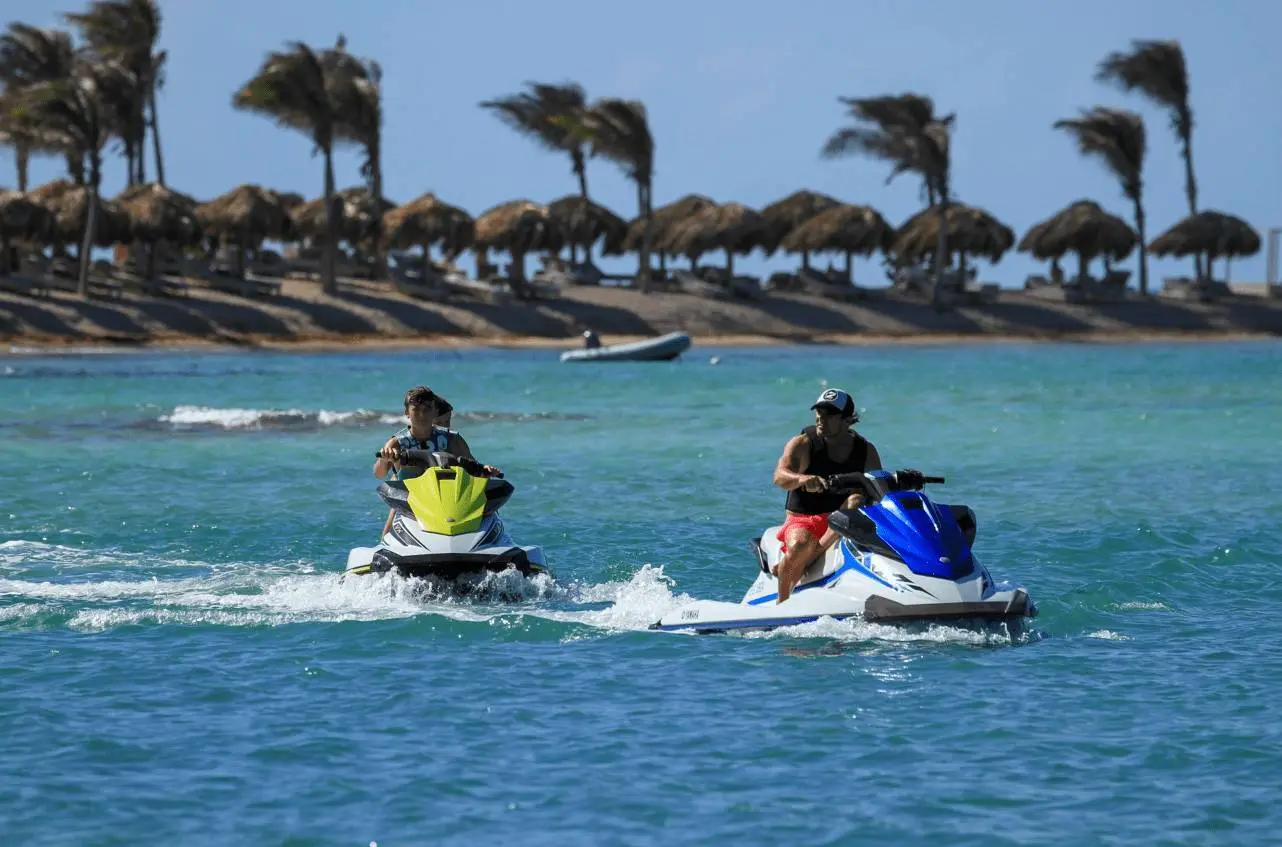
Things to Do in St Barts: A Local’s Guide
An honest guide to the best things to do in St Barts: the beaches, a day on the water, the Colombier hike, Gustavia and the Sunday market, plus what to skip.
Read this next →More from the field guide
-
 Things to Do
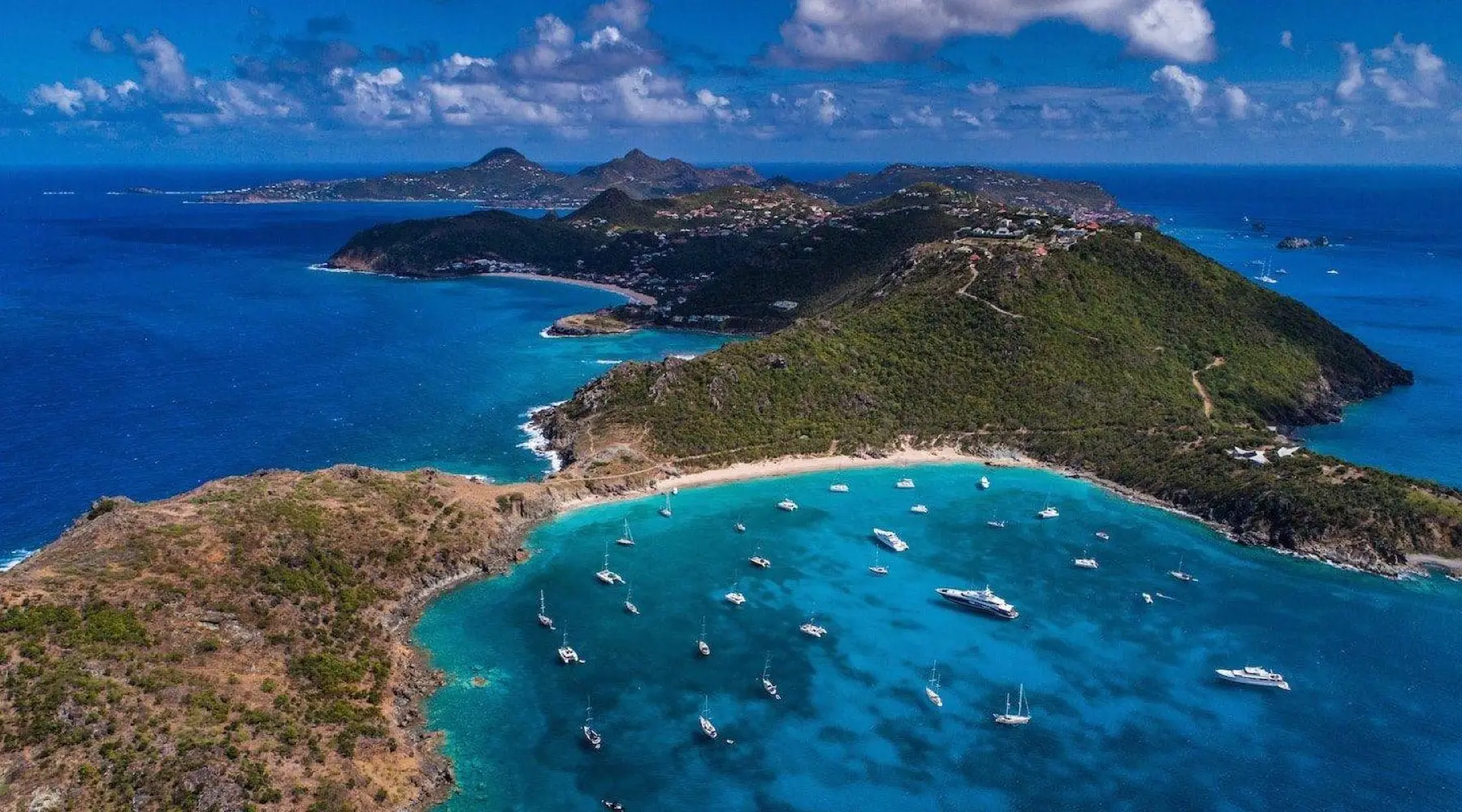
Hiking in St Barts: The Best Walks and Trails
A guide to hiking in St Barts: the beautiful coastal walk to Colombier beach, the Natural Pool at Grand Fond, the viewpoint walks, and what to bring.
-
 Things to Do
Scuba Diving in St Barts: Sites, Centres and Whether It’s Worth It
What diving in St Barts is really like: the marine reserve, easy reef dives, dive centres in Gustavia, trying it as a beginner, and when to add a day trip to Saba.