Sargassum in St Barts: Which Beaches Usually Stay Clear
How sargassum works in St Barts, when it arrives, why leeward beaches stay clearer, and how to check conditions the day before you go.
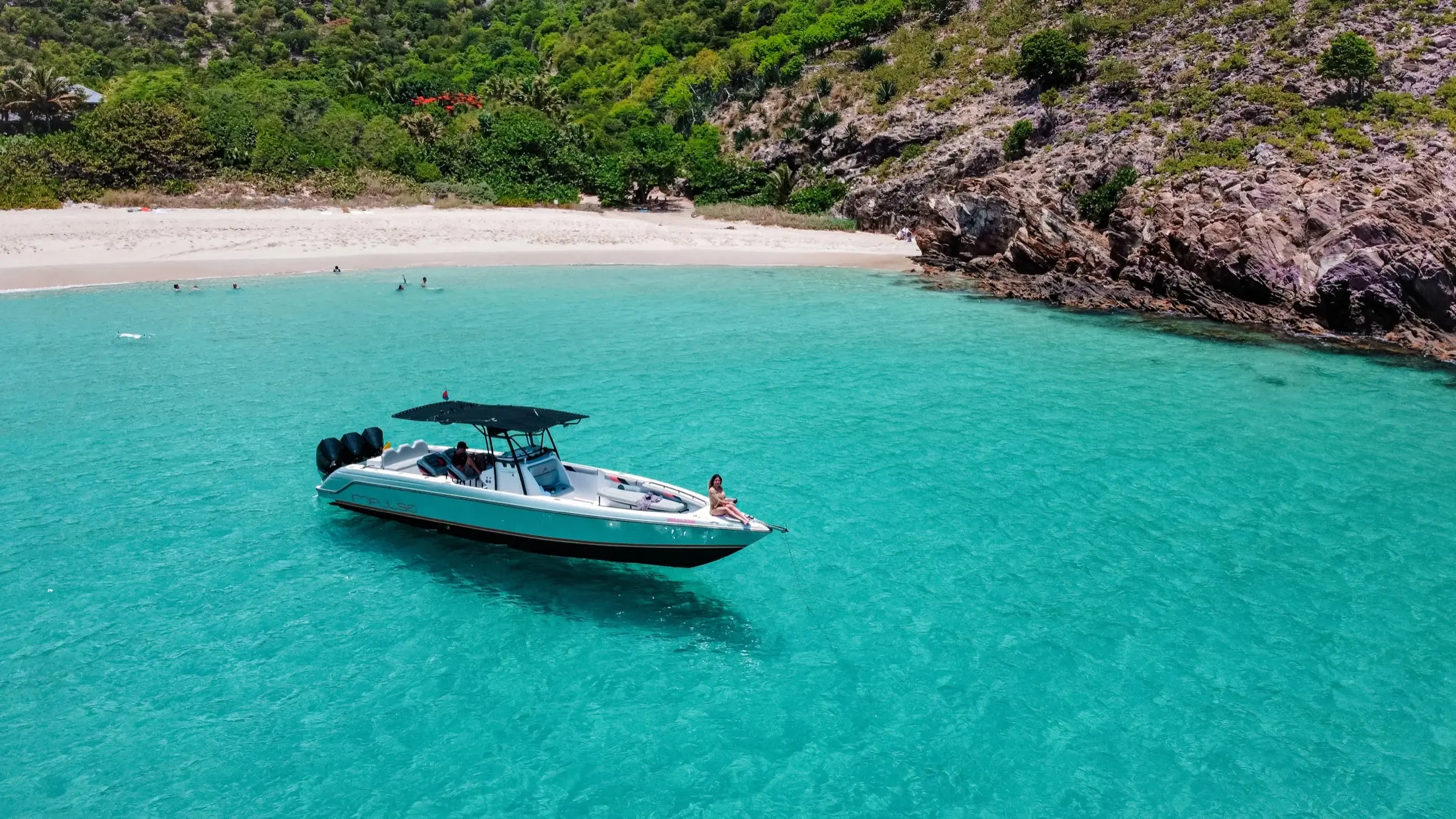
St Barts sells itself on the colour of its water, so let’s be honest from the start. Sargassum comes and goes. It is never the same on every beach on the same day, and through most of the high season you will not think about it once. What follows is not a live report that goes stale in a week. It is the pattern: what the weed is, when it tends to show up, and how to land on a clear stretch of sand whatever the calendar says.
What exactly is sargassum, and why does it reach St Barts?
Sargassum is a brown seaweed that drifts across the open Atlantic in floating mats. Since the early 2010s, unusually large amounts have travelled toward the Caribbean each year, carried by wind and current. When a mat reaches shore it piles up on the sand, and as it breaks down it gives off a sulphur smell that clears within a day or two. Fresh in the water it is harmless. It is the sitting, rotting weed that people object to, and the collectivité rakes it off the beaches when it builds up.
Here is the part that actually helps you plan. Sargassum is not a fixed property of a beach. It is a matter of that particular day’s wind and current. A flawless beach can catch a mat one week and be spotless the next. That single fact is why a same-day look always beats a reputation, and why no ranking printed months ahead can tell you where to swim on your Tuesday.
When is sargassum season in Saint-Barth?
Across the Caribbean the weed follows a fairly reliable rhythm. Little to none through winter, a build-up in spring, a warm-season peak, then a retreat in autumn. On St Barts the heavier run tends to land in the months after May and into September, and how much actually turns up swings hard from one year to the next. Some seasons stay almost clear. Others run heavy for stretches.
For a St Barts trip the good news falls out on its own. The high season, November to March, is also the clearest window, so most visitors never overlap with the weed at all. If you are coming in summer, it is worth a two-minute check just before you go, which we come back to below.
Why do some beaches stay clearer than others?
This is the whole game, and it comes down to which way a beach faces. Sargassum rides in on the trade winds, which blow out of the east and south-east for most of the year. So the coasts that open onto the Atlantic, the windward shores, take the weed first and hold the most of it. The sheltered, leeward beaches on the western side sit in the wind shadow and stay clear far more often.
St Barts is small, and its coastline does the sorting for you. The wild eastern and southern shores face straight into the incoming mats. The calm western bays are tucked behind the island. That geography does not change from year to year, which is exactly why it is worth understanding: the wind decides the day, but the map decides the odds.
So which beaches should you head for?
The honest answer is that there is no fixed list of winners, because the same beach can be perfect on Monday and messy on Thursday. What holds up is the direction. When the exposed eastern shore is taking a hit, the leeward western side, the bays tucked behind the island around Gustavia and up the northwest coast, is where the odds run in your favour. When you want calm, clear water, the best-placed beaches tend to sit on that sheltered flank.
The point to hold onto is not a name. It is that if your beach of the day has weed, crossing to the sheltered western side usually puts you back on clear water within a few minutes’ drive. Nothing on this island is far, and that is the real advantage. For the beaches themselves, clear day or not, our guide to the best beaches in St Barts walks the whole coast.
A dated snapshot rather than a rule: in September 2026, Saline, Marigot, Grand Cul-de-Sac and Toiny were among the beaches carrying weed. The pattern fits the geography above, and it will not be identical next year.
How do you find out what a beach looks like today?
Because it all turns on the day, the useful habit is to read the current state rather than trust a name. Webcams and local pages give you a rough picture, but they miss corners and they lag.
The better answer is a person. This is the one edge a year-round resident has that a forum thread from two seasons ago, or a listing that never mentions seaweed at all, simply cannot match. If you want to know what a particular beach actually looks like this morning, before you load the car, email someone who is on the island and can walk out and look. That is the difference between hoping and knowing, and it costs you nothing to ask.
What if you arrive and the weed is there?
If you turn up and the weed is there, it is rarely the end of the day.
- Sargassum moves with the wind and tide, so the same beach can clear within hours. A morning mat is often gone by afternoon, and the reverse happens too.
- Early morning is usually cleaner, and fresh weed smells far less than weed that has baked in the sun.
- A fresh mat in the water is harmless. The smell only comes as it breaks down, so you can often swim near it without a second thought.
- When in doubt, move. Cross to the leeward side and you are typically back on clear water within a few minutes’ drive.
Does sargassum change where you should stay?
For most trips, no, and it should not drive the whole decision. But if you are travelling in the summer months and you want the odds stacked toward clear water off your own doorstep, a base on the sheltered western side is the quiet way to hedge. Set up on the leeward coast and you can walk down and check for yourself rather than drive across the island to find out.
That is a question of where to settle in for the whole stay, not just one morning. Our guide to where to stay in St Barts breaks the island down neighborhood by neighborhood, and the sheltered west is where a summer traveller who cares about the water tends to land. If you are weighing a private house over a hotel, our St Barts villa rental guide covers how that works, and it is worth browsing the villas by neighborhood to see what sits on the leeward side.
Common questions
When is sargassum season in St Barts?
The heavier run tends to arrive in the months after May and into September, and the amount varies a lot from one year to the next. High season, November to March, is the clearest window, so most winter visitors never see it.
Which St Barts beaches stay clearest of sargassum?
There is no fixed list, because it changes day to day. As a rule the sheltered leeward beaches on the western side stay clear more often than the windward Atlantic-facing shores, since the weed rides in on the east and south-east trade winds.
Is sargassum dangerous?
Fresh weed floating in the water is harmless. As it piles up and breaks down on the sand it gives off a sulphur smell for a day or two. The collectivité rakes it off the beaches when it builds up.
How can I check sargassum conditions before my trip?
Webcams and local pages give a rough idea, but the surest read is to ask someone on the island to look that morning. Email contact@saint-barth.org before you drive down.
Where to Stay in St Barts: The Neighborhoods
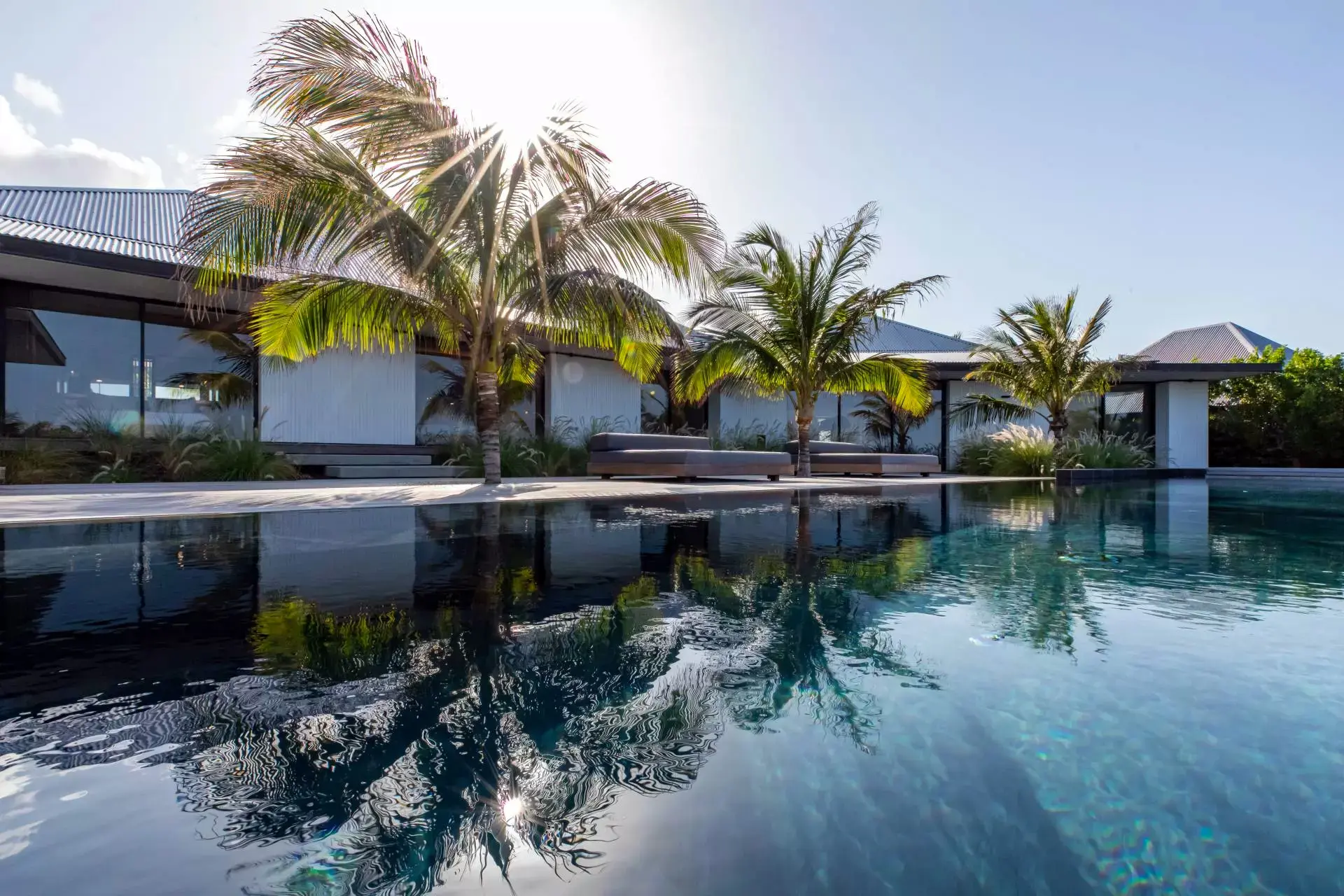
Where to stay in St Barts, neighborhood by neighborhood: Gustavia, St Jean, Flamands, Grand Cul-de-Sac, Lorient and the hillsides, matched to your trip by people who live here.
Read this next →More from the field guide
-
 Beaches
The Best Family Beaches in St Barts
Which St Barth beaches really work with young children: calm, shallow water, easy access and some shade, plus the ones to skip with toddlers.
-
 Beaches
Colombier Beach, St Barts: The One You Walk or Sail To
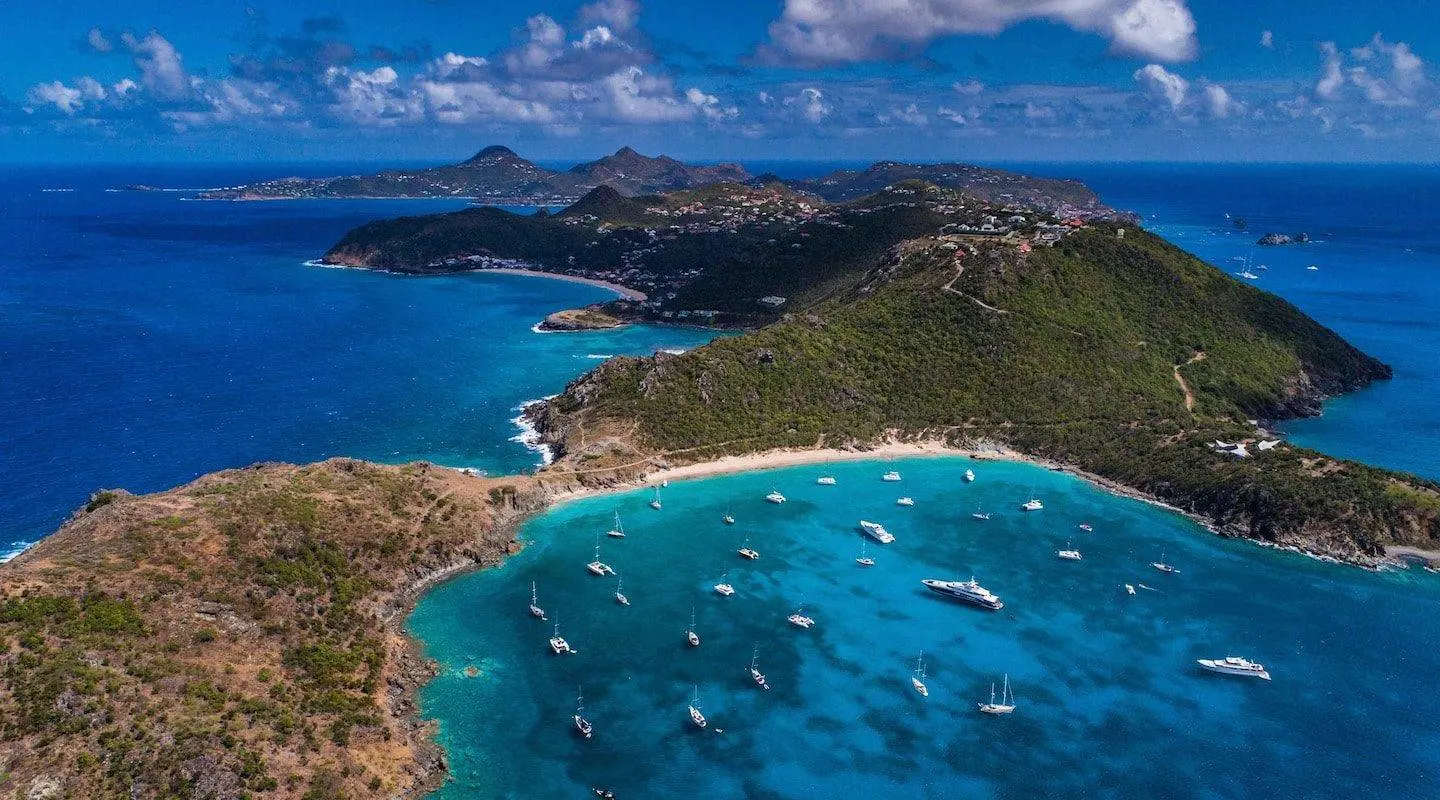
Colombier is the beach at the north-west tip of St Barts with no road: a twenty-five minute coastal walk from Flamands, or a boat anchoring off the sand. Clear, calm water, some of the best beach snorkeling on the island, turtles, and nothing for sale. The trail, the boat, the timing, and the villas on the hills above.