Where to Stay in St Barts: The Neighborhoods
Where to stay in St Barts, neighborhood by neighborhood: Gustavia, St Jean, Flamands, Grand Cul-de-Sac, Lorient and the hillsides, matched to your trip by people who live here.
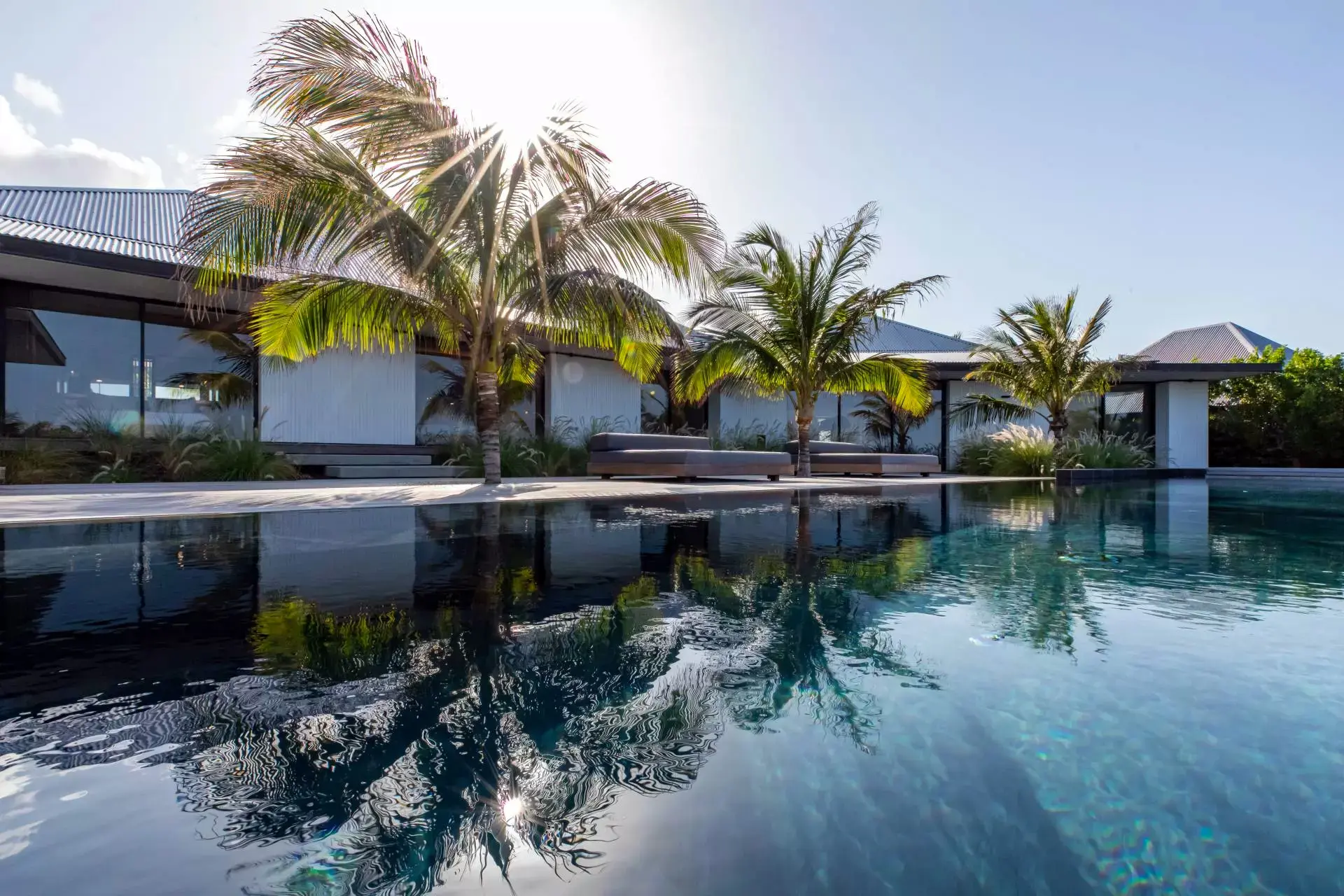
St Barts is small, and nothing is far by car. What changes from one neighborhood to the next is the noise, the pace, and whether you can walk to dinner. We live here, and we answer this question all year, for friends and for the people who write to us. Here is how we see each neighborhood, and who it suits.
Villa or hotel: the first choice
Start with the type of place. St Barts is a villa island. There are far more villas than hotel rooms, and most visitors we know rent a house with its own pool. Hotels exist, some are excellent, but they are the smaller part of the picture.
A villa makes sense for a family, a larger group, or anyone who wants space and a kitchen. A hotel makes sense if you want breakfast made, a restaurant downstairs and someone at the desk. Our hotels directory lists every hotel by area. If you are still torn, we wrote a separate page on villa or hotel for a first trip. Everything below applies to both.
The season changes everything. From November to March, the high season, every neighborhood is busier and more expensive. From May to October even Gustavia slows down, and in September many places close. Read what follows with your dates in mind.
The neighborhoods at a glance
| Neighborhood | Choose it for | Live with |
|---|---|---|
| Gustavia | Walking out to dinner, the harbour at night | The busiest part, and the great beaches are a drive |
| St Jean | A central first-trip base by a calm beach | Roosters, and planes through the day |
| Flamands | The longest beach, a quiet base | A drive to Gustavia for dinner |
| Grand Cul-de-Sac | The shallow lagoon, families | Nightlife a drive away |
| Lorient | A quieter, more local base, still central | A village pace, a couple of shops |
| Pointe Milou and the hillsides | Views and privacy | Ask which way the house faces, and about roadworks |
Villas by neighborhood: Gustavia · St Jean · Flamands · Grand Cul-de-Sac · Lorient · Pointe Milou.
Gustavia: in the middle of it
Gustavia is the harbour town, and the only place where you can walk to dinner. Restaurants, bars and shops fit in a few streets, and the quay is the evening stroll. If your evenings matter as much as your days, stay here.
What you give up is the beach. Shell Beach is a few minutes on foot, the big beaches are a drive. In high season, parking in town is the puzzle of the day: we use the valets, or we circle above L’Isola and toward Shell Beach until a space opens. On Sundays many restaurants in town close. Sayolita stays open in the evening, with Modjo next door. Our Gustavia page has the detail.
St Jean: central and practical
St Jean is the middle of the island. The bay is calm, the beach clubs line the sand, and the airport runway ends right behind the beach. Shops, restaurants and the airport are all close, and the rest of the island is a short drive in any direction.
It is the natural base for a first trip: beach in front, life nearby, and no end of the island is far. Two things to know before you book, from living here. You will hear roosters in the morning and planes through the day. And after ten in the morning the beach parking is full, so we go early. To us, the noise is a fair price for being close to everything. Our St Jean page goes further.
Flamands: the long beach, a drive from everything
Flamands has the longest beach on the island, with a few hotels behind it, from the Cheval Blanc, the island’s only Palace, to simple auberges, and villas on the slope. It is quiet. The middle of the island feels far, and that is exactly what people come for.
The cost is the car. Dinner in Gustavia means driving there and back, and so do most other beaches. One warning from us: when the swell is up, Flamands takes big waves, and the swim is not always safe. The walk to Colombier starts at the end of the Flamands road, on the Petite Anse side. Choose Flamands if a long, quiet beach on your doorstep matters more than going out. Our Flamands page has the rest.
Grand Cul-de-Sac: the calm lagoon
Grand Cul-de-Sac is at the east end, on a shallow lagoon behind a reef. The water is calm, warm and often full of turtles, which makes it the easiest beach on the island for small children and for a first snorkel. The kitesurfers use the far end. Le Barthélemy, Le Sereno and, from 1 November, Airelles Le Guanahani are on the lagoon, with villas around the bay and a couple of restaurants.
Nightlife is a drive. In September 2026 the lagoon caught sargassum, which the Collectivité collects when it piles up. For a family holiday it is our first suggestion. Our guide to St Barts with kids covers the practical side.
Lorient: quieter, more local
Lorient sits between St Jean and the east end. It is where a lot of residents go to the beach, and it feels like it: a village, a few shops, a beach with a little shade, surf when the swell is up. The petrol station has automatic pumps that work around the clock, which matters more than it sounds on an island with only two stations.
Lorient is still central. Nothing is a long drive. It suits people who want a calmer, lived-in base, without going as far out as Flamands or Grand Cul-de-Sac. Our Lorient page goes further.
The hillsides, and Pointe Milou
Most of St Barts is hillside, and the view from up there is why so many people come back. A house above the sea, with the light changing all day, is hard to beat.
Before you book a hillside address, ask three things. Which way the house faces: at Pointe Milou there is a sunrise side and a sunset side. Whether there are roadworks nearby: the island repairs its roads mostly in the quiet months, and works on a dead-end road change your daily drive. And how the phone signal is: it drops at times around Vitet and Dévé. Power cuts for maintenance happen neighborhood by neighborhood, about once every two months, for a few hours. Our Pointe Milou page has the detail.
Wherever you stay, you will need a car
This is true in every neighborhood. There is no public transport a visitor can use. The Ti Bus is a shuttle for residents and people who work here, between St Jean, Gustavia, Lorient and Saline. Taxis are few and need booking ahead. Unless you stay in the middle of Gustavia, or in a resort you never leave, book the car at the same time as the house. A small one is enough: a Picanto, a Mini or a Jimny. Our car rental guide has the rest.
If a villa is the plan, our guide to renting a villa in St Barts covers the practical side. If a hotel suits you better, the hotels directory has every option, listed by area.
Common questions
What is the best area to stay in St Barts?
It depends on your trip. Gustavia if you want to walk to dinner. St Jean for a central base by a calm beach on a first trip. Flamands or Grand Cul-de-Sac for a quiet beachfront. The hillsides for the view. Most visitors rent a villa rather than a hotel room.
Is it better to stay in a villa or a hotel in St Barts?
St Barts has far more villas than hotel rooms. A villa suits families, groups and anyone who wants space, a pool and a kitchen. A hotel suits people who want service and a restaurant on site. The neighborhood matters either way.
Which area is best for a family in St Barts?
Grand Cul-de-Sac, on a calm, shallow lagoon full of turtles, and St Jean, central with an easy beach. Both keep small children in gentle water, with everything a short drive away.
Do you need a car wherever you stay in St Barts?
Almost always. The only bus is a shuttle for residents. Unless you stay in a resort you never leave, or in the middle of Gustavia, a car is what makes a hillside villa or a quiet beach base work.
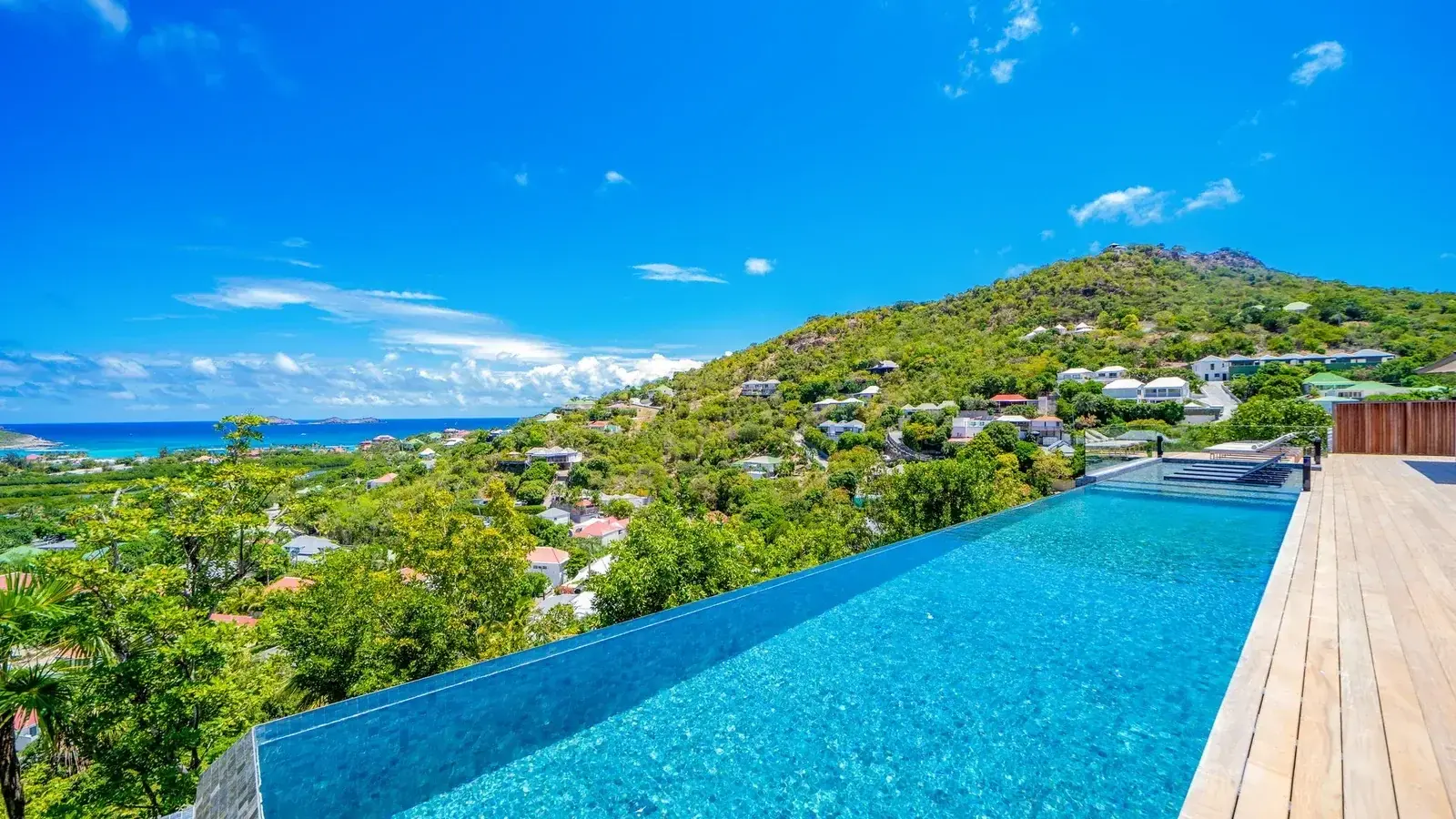
Villa or Hotel for Your First Trip to St Barts
Villa or hotel for a first trip to St Barts? An honest, non-salesy take: why a hotel often wins the maiden visit, and when a villa becomes the better call.
Read this next →More from the field guide
-
 Where to Stay
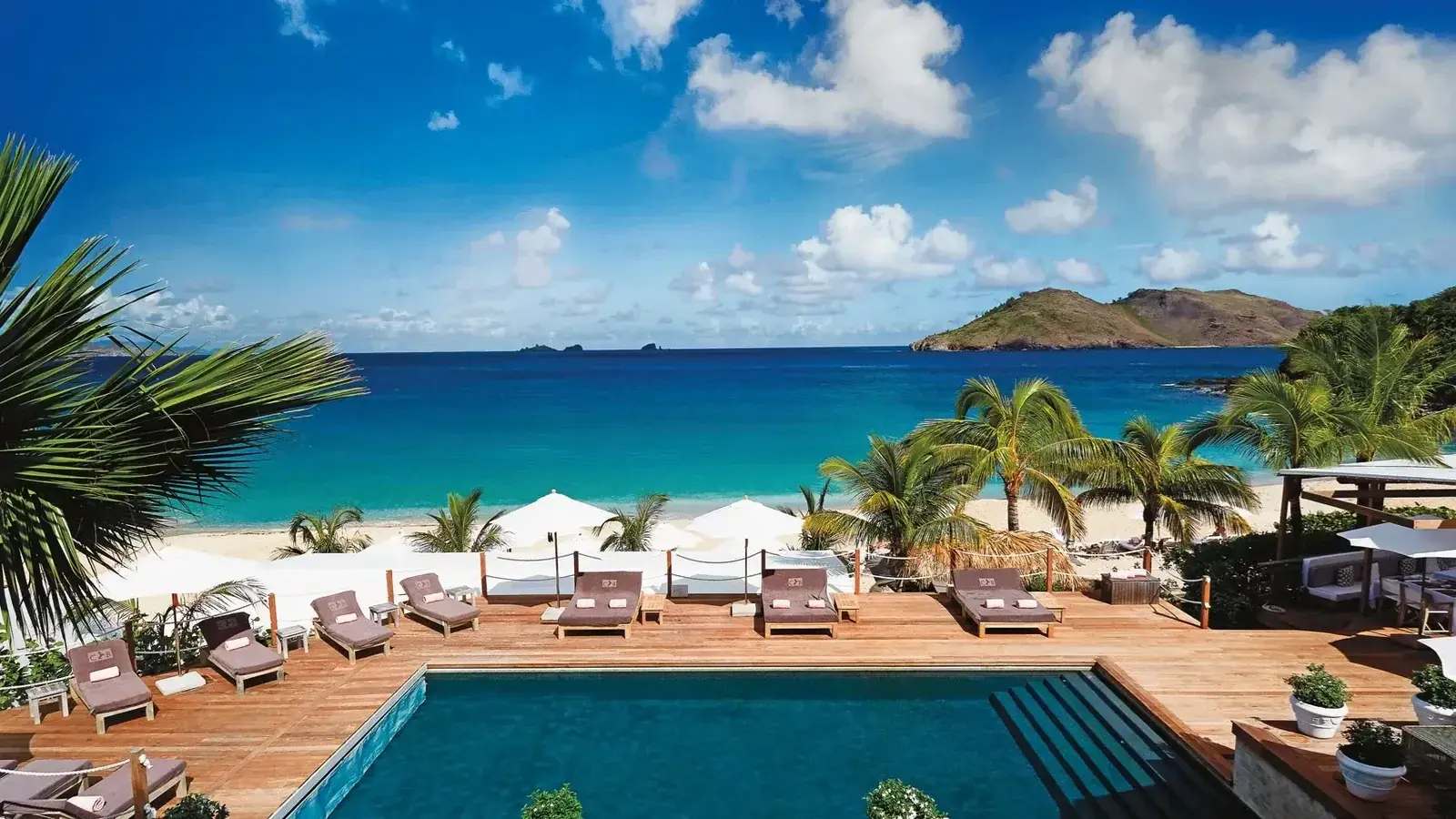
The Best Hotels in St Barts: Where to Book
An independent guide to the best hotels in St Barts, from the island’s only Palace to the design-led five-stars and the smaller places that are better value than they look.
-
 Where to Stay
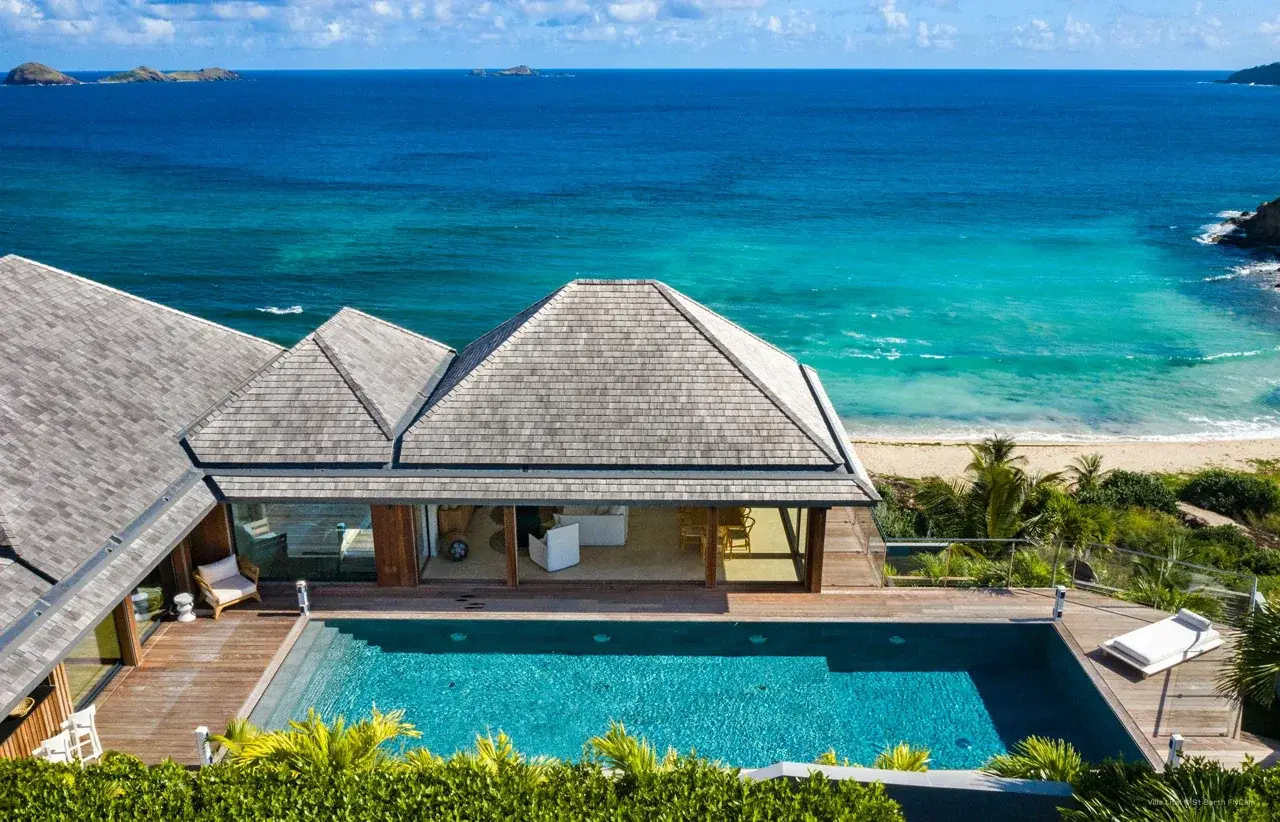
Flamands, St Barts: The Long Beach and the Quiet Base
Flamands has the longest beach on St Barts, a handful of hotels from the island’s only Palace to simple auberges, and a quiet, out-of-the-way feel. What to know about the sea, the drive to dinner, the Colombier trail and the villas above the bay.