Renting a Car in St Barts: What You Need to Know
You will want a car in St Barth. This guide covers how rentals work, what to expect on price, where to pick one up, and how the island’s narrow roads really drive.
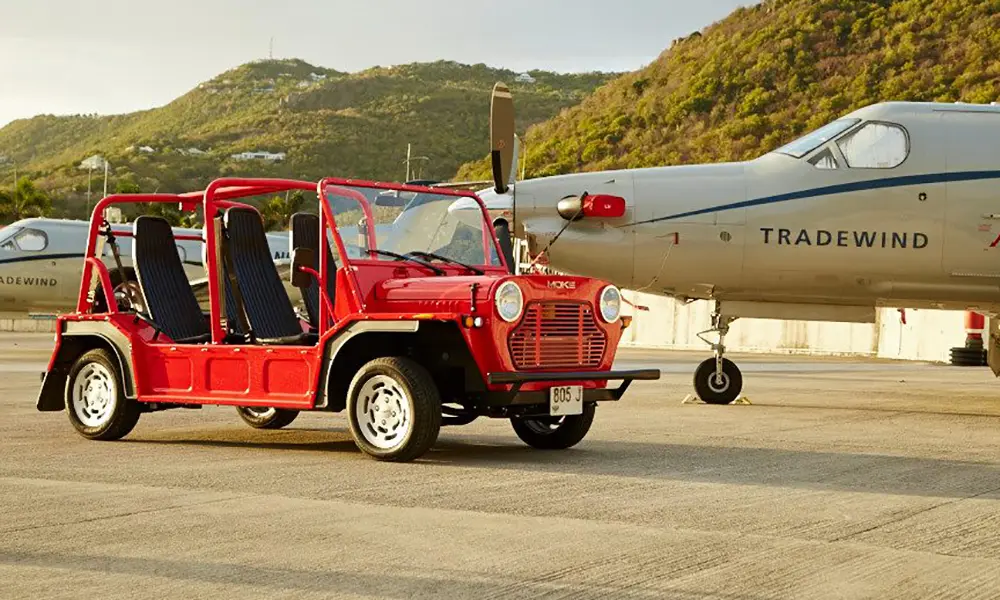
Saint-Barthélemy is small, about 25 square kilometers. It is also steep, spread out, and has almost no public transport. To reach the good beaches, the restaurants up in the hills and the quieter corners of the island, you need your own car.
This guide covers what renting involves. Booking, pricing, where to collect the car, and the part people underestimate: driving the roads.
Do you really need a car?
For almost everyone, yes.
There is no public bus a visitor can use on St Barth: the Ti Bus, launched in December 2025, is a shuttle for residents and people who work here. Taxis exist, but the fleet is small and fares are high, and you cannot count on finding one at night or from a quiet beach. A few hotels run their own shuttles, so if you are staying at a resort and never plan to leave it, you might manage. Everyone else should rent.
A car is the difference between a few reachable spots and the run of the island.
What to rent
Two things stand out as soon as you land. The cars are small, and a lot of them are open-top Mini Mokes. The Moke is the island icon, and it is good fun. Just remember that it gives you no protection from sun or a sudden shower, and nowhere safe to leave a bag.
A small hatchback or a compact SUV is the sensible all-rounder. Whatever you pick, smaller is better here. Narrow lanes and tight parking both reward a compact car.
If you want a name to give the rental desk, a Picanto, a Mini Cooper or a Jimny is plenty for this island.
Booking and pricing
Book early. St Barth has a limited number of rental cars, and in high season they sell out. That season runs from about November to March, and the Christmas and New Year weeks are the tightest of all. Reserving months ahead is normal.
Prices move a lot with the season. Expect to pay more than the same car would cost on a larger island, and a good deal more in the peak weeks. Open Mokes and 4x4s sit at the top of the range. Before you book, always check what insurance is included and what the excess is.
Book as early as you can. In high season the small cars are the first to go, and the small car is the one you want.
Where you pick up the car
Most rentals are handled at or near Gustaf III Airport in St Jean. Many companies will also deliver the car to your villa or hotel and collect it afterward, which helps if you arrive by ferry or stay somewhere out of the way. Confirm the arrangement when you book.
Driving on St Barth
This is the part to take seriously. The roads are narrow, steep and winding, with blind corners and sharp gradients. It is all manageable, and people do it every day, but it rewards your full attention, low gear on the hills, and the local habit of a quick tap of the horn before a tight bend. Take the insurance too, since tight lanes and stone walls make small scrapes common.
The roads have their own technique, and it is worth a few minutes to get the hang of it. Our full guide to driving in St Barts covers the corners, the parking and the fuel stations in detail, and our guide to getting around without a car is there if you would rather not drive at all. For that, a private driver can cover the island for you, door to door.
Parking
Parking is free, but it is tight. Gustavia fills up around the harbour, especially in the evening, so arrive early or be ready to walk a few minutes. St Jean has small lots near the shops and the beach. Most beach car parks are compact dirt clearings, and they fill fast on a sunny day.
Fuel
Fuel is the one piece of daily admin worth staying ahead of here: two stations for the whole island means an empty tank can be a long way from a pump.
What actually matters
Rent a car, rent it early, rent something small, and take the insurance. Do that and you have the run of the island, with every beach and every hillside table within easy reach. That freedom is a big part of why people fall for St Barth.
Common questions
Do you need to rent a car in St Barts?
For almost everyone, yes. There is no bus for visitors, taxis are few and pricey, and you cannot count on one at night or from a quiet beach. Only a resort guest who never leaves might manage without.
How far ahead should I book a rental car in St Barts?
Months ahead for the high season, November to March, since the island has a limited number of cars and they sell out. Christmas and New Year are the tightest weeks of all.
What car should I rent in St Barts?
Something small. A compact hatchback or small SUV is the sensible all-rounder for the narrow lanes and tight parking. The open Mini Moke is the island icon and good fun, but gives no protection from sun or rain and nowhere safe for a bag.
Is it hard to drive in St Barts?
The roads are narrow, steep and winding with blind corners, so they reward your full attention and low gear on the hills. It is manageable and people do it daily. Take full insurance, as small scrapes on tight lanes and stone walls are common.
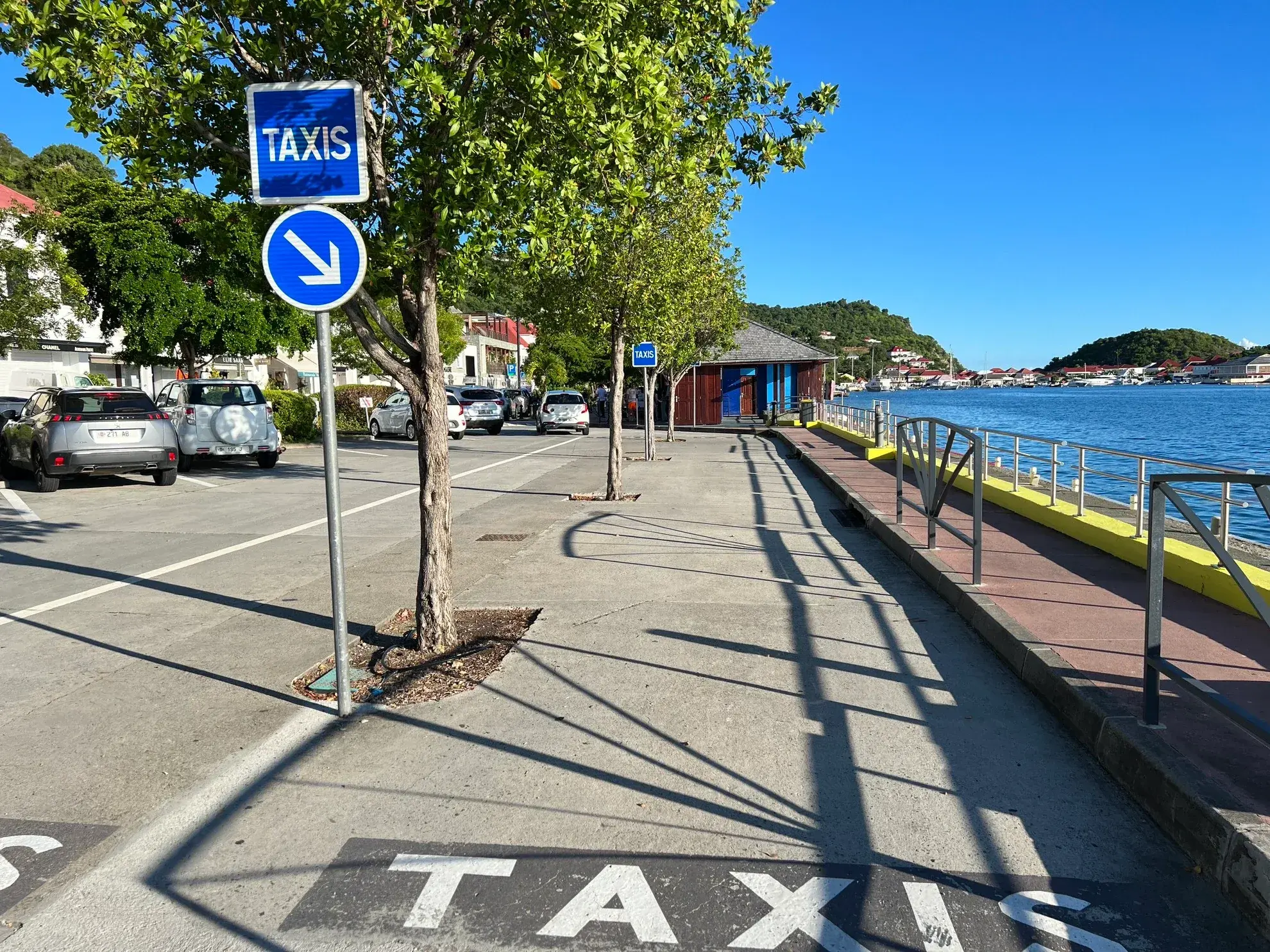
Do You Really Need a Car in Saint-Barth?
Do you need a car in St Barts? The honest answer depends on where you sleep. A resident’s take on walkable bases, the areas that demand wheels, and the no-drive options.
Read this next →More from the field guide
-
 Getting Around
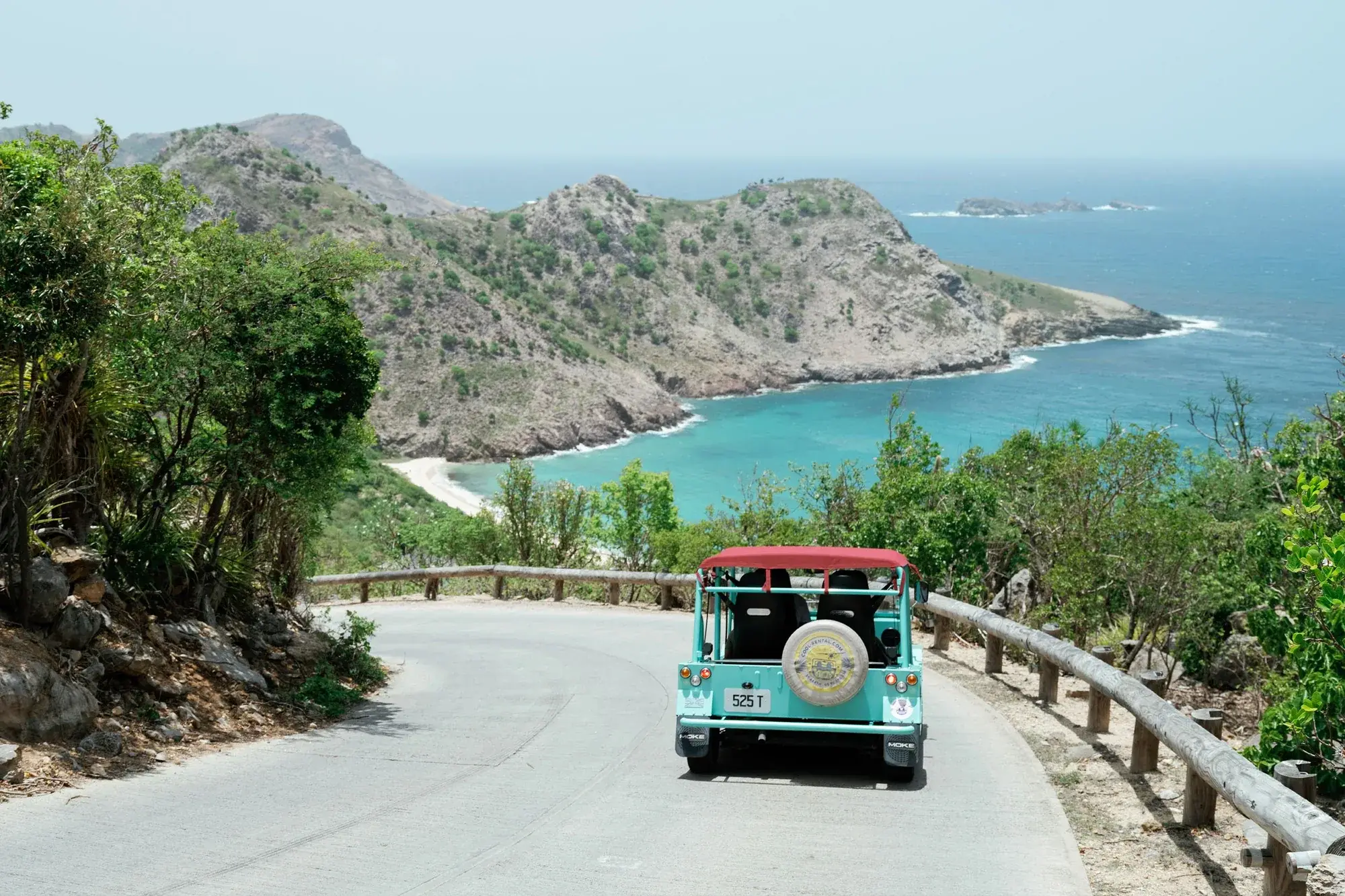
Driving in St Barts: Roads, Parking and Local Know-How
What driving in St Barts is really like: the steep narrow roads, the blind corners, where to park in Gustavia and St Jean, the fuel stations, and the local habits that keep it easy.
-
 Getting Around
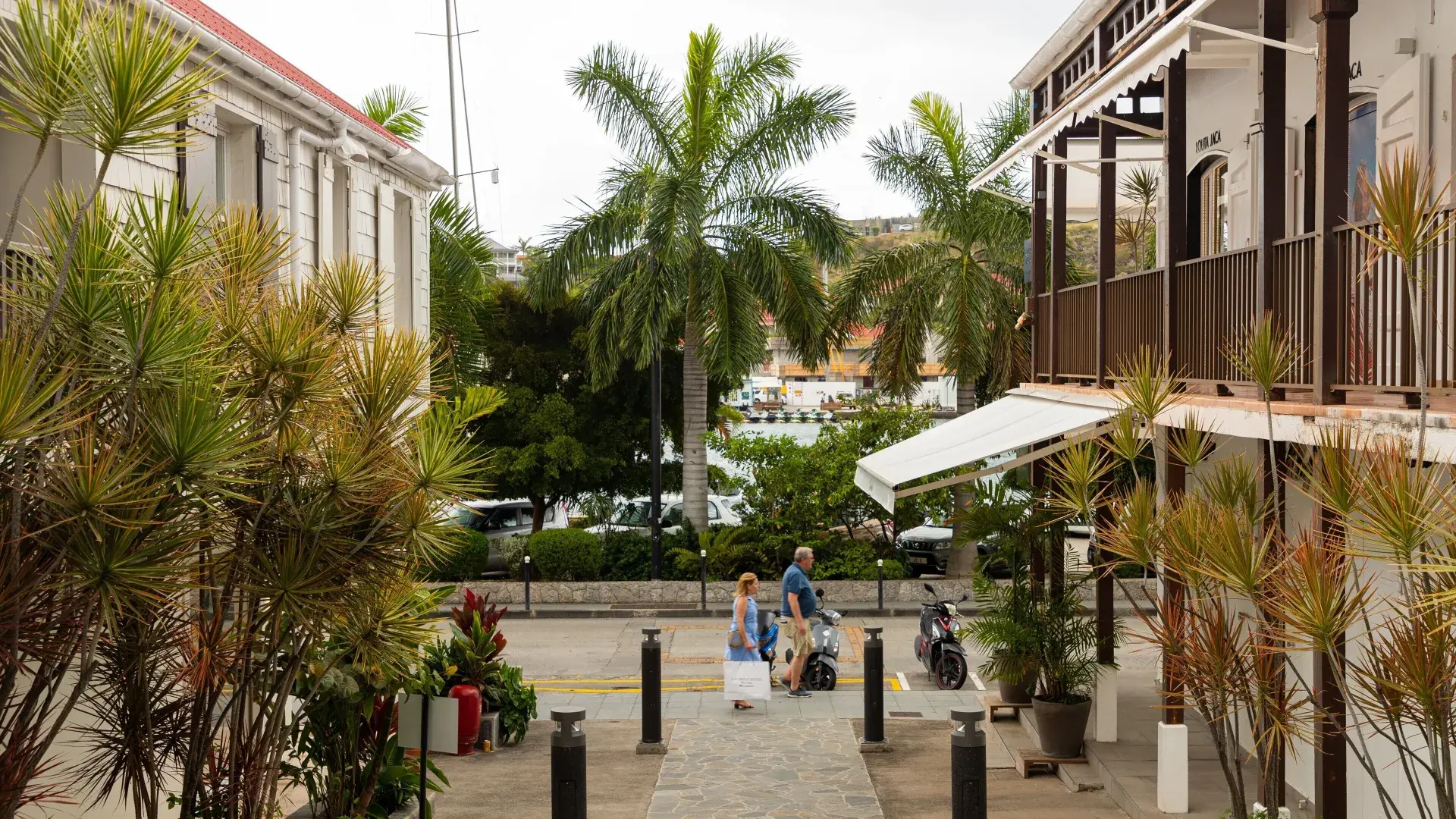
Getting Around St Barts Without a Car: Taxis and More
Can you visit St Barts without renting a car? A straight guide to taxis, private drivers, hotel shuttles, scooters and walking, and when you really do need your own wheels.