Flying into St Barts: The Airport and the Landing
What to expect at St Barts airport and on the island’s famous landing: the steep approach, whether it is safe, and how the small Gustaf III airport works.
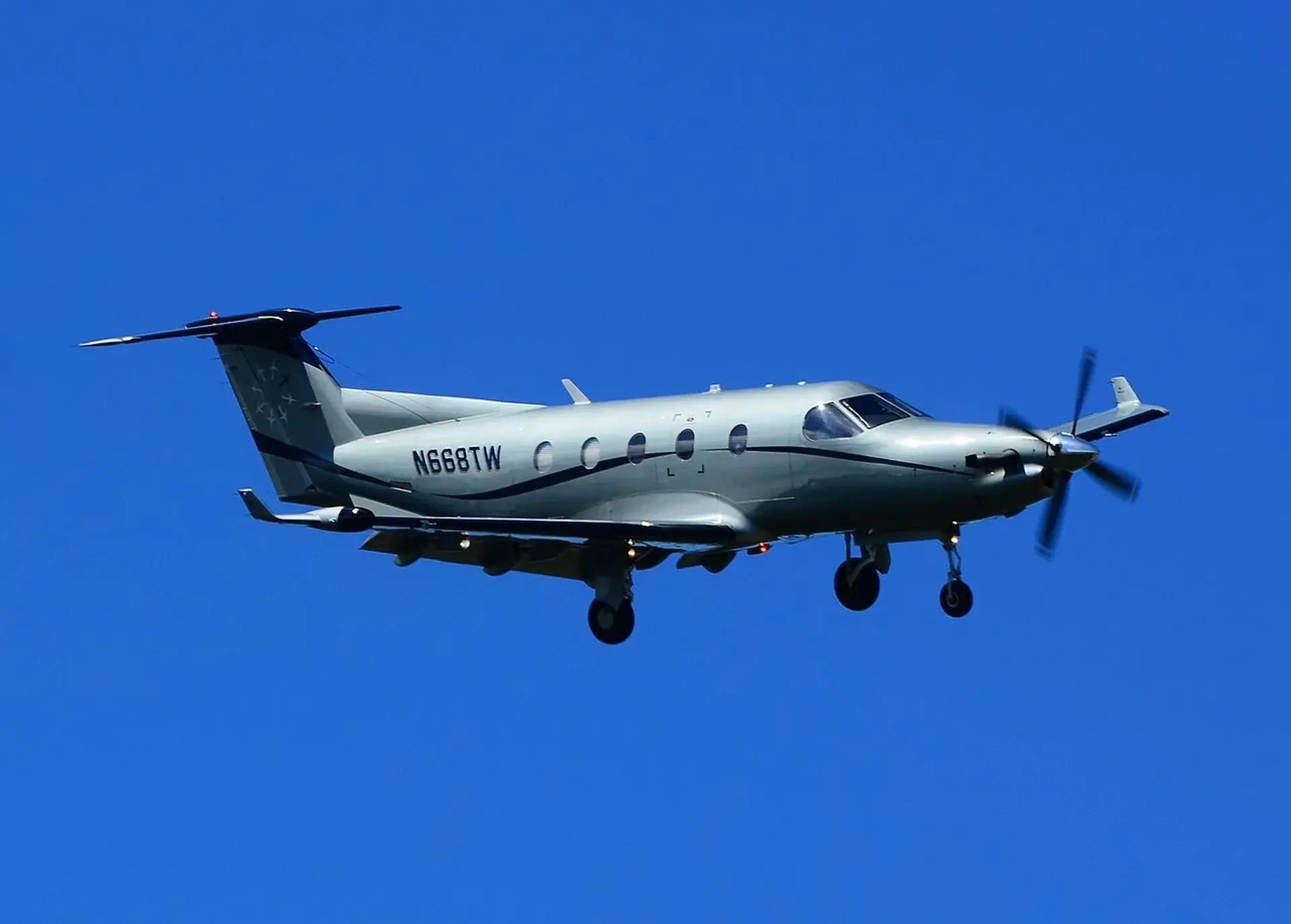
St Barts is famous for the way you arrive. The island’s airport is one of the smallest and most talked-about in the world, and its landing has a reputation that reaches travellers long before they book. This guide explains what to expect at St Barts airport, what the famous landing is really like, and whether any of it is worth worrying about.
Inside St Barts airport
St Barts airport, known to everyone as Gustaf III, sits at the edge of St Jean. It is tiny. The runway is one of the shortest in commercial use, hemmed in by a hillside at one end and St Jean beach at the other. Only small aircraft can use it, and only in daylight, since there is no runway lighting for night operations.
The airport takes its name from Gustaf III, the Swedish king who once ruled the island, a quiet reminder of the Swedish chapter in St Barts history. The runway runs to only a few hundred meters, a fraction of what a standard airport needs. Everything here is small in scale, from the strip itself to the modest terminal, and that is a large part of its character. There are no long queues and no sprawling concourses. You walk off the plane and you are almost on the island already.
The famous landing
The landing is the part everyone has heard about. Aircraft approach over a low hill, the Col de la Tourmente, dropping steeply just past a road where cars often wait at the crest. The plane clears the rise, dips hard toward the runway, and touches down on a strip that runs almost to the sand of St Jean beach.
It is quick, it is steep, and it looks dramatic from the ground and from the window alike. For many visitors, the approach is the first real moment of the trip, the point where the island stops being a plan and becomes a place.
Is the landing safe?
Here is the honest answer. The landing is impressive, and the first one will get your attention. It is not, however, something to lose sleep over. You get used to it quickly, usually after the first one.
The approach is flown only by pilots who hold a specific St Barts certification, earned through dedicated training on this exact runway. The route is flown safely many times every day, in both directions, by crews who know it well. Treat the landing as one of the good stories you will bring home, not as a reason to take the ferry instead.
The planes that fly here
The aircraft on the St Barts run are small by design. The workhorses are the Cessna Caravan and the Twin Otter, propeller planes that carry only a handful of passengers each. They are well suited to the short runway and the steep approach, and they give every seat a window and a view.
Because the planes are small, they are strict on weight. Airlines may ask your weight when you book, and luggage allowances are tight. It is normal, it is nothing to be self-conscious about, and it keeps the aircraft properly balanced. Pack light, keep essentials in your carry-on, and accept that a heavy bag may travel on a later flight.
What to expect on board
From inside the small plane, the descent is the show. You get a long, low look at the island first, the green hills, the coastline and the turquoise water, before the final steep drop toward the runway. The right-hand side of the aircraft often has the better view of St Jean bay on the approach, though it varies with the wind and the runway in use.
First-time visitors often brace for something frightening and are surprised to find it mostly thrilling. The plane is stable, the crew unhurried, and the whole descent is over in a minute or two. Have your camera ready early, because once the plane tips toward the runway, things move fast.
Watching the planes from the beach
You do not need to be flying to enjoy the airport. St Jean beach sits right at the end of the runway, and watching the small planes drop over the hill and touch down is a genuine St Barts pastime. Find a spot on the beach near the approach end, and the show comes to you.
It is also a good way to take the drama out of your own flight. Watch a few planes arrive without incident, and your own landing starts to feel a great deal more routine. It is one of the simpler free pleasures on the island, and it belongs on any list of things to do in St Barts.
After you land, and departing
The airport’s small scale makes arrival easy. You are off the plane and out within minutes. Most car rentals are collected at or near the airport, so this is often where your island really starts. Our car rental guide covers how driving here works.
Getting from the airport to your villa or hotel is quick, since nothing on the island is far. A private driver is the easy option, especially with luggage after a long travel day.
A local habit worth copying: keep at least two hours between your arrival at St Maarten and the hop, and know that the small carriers people here use most are St Barth Commuter and SXM Airways. If the connection is lost anyway, the way across is the ferry or a private boat.
For departure, arrive in good time, keep to your airline’s baggage limits, and remember that the airport closes at dusk. There are no late flights out, so anything that would need an evening departure waits until the following day. For the full picture of the journey, including the connection through Sint Maarten and the ferry, see our guide to getting to St Barts.
Common questions
Is the landing at St Barts safe?
Yes. It is steep and dramatic, and the first one gets your attention, but it is flown safely many times a day by pilots with a specific St Barts certification earned on this exact runway. Treat it as a good story, not a worry.
Why can only small planes land in St Barts?
Gustaf III Airport has one of the shortest runways in commercial use, hemmed in by a hillside and St Jean beach, with no runway lighting. Only light aircraft like the Cessna Caravan and Twin Otter are certified, and only in daylight.
Are there night flights to St Barts?
No. The airport has no runway lighting, so it operates in daylight only and closes at dusk. An evening arrival into the region means an overnight in Sint Maarten and the first flight the next day.
Do St Barts flights weigh your luggage?
Yes, and sometimes passengers too. The planes are small, so allowances are tight and it keeps the aircraft balanced. Pack light, keep essentials in your carry-on, and a heavy bag may travel on a later flight.

Renting a Car in St Barts: What You Need to Know
You will want a car in St Barth. This guide covers how rentals work, what to expect on price, where to pick one up, and how the island’s narrow roads really drive.
Read this next →More from the field guide
-
 Getting There
When to Visit St Barts: A Season-by-Season Guide From People Who Live Here
When to visit St Barts, season by season, by people who live here: high and low season, the quiet weeks, weather, hurricanes and sargassum, crowds and prices.
-
 Getting There
How Many Days to Spend in St Barts (and Why the Connection Shortens Them)
A resident’s honest take on how long to stay in St Barts, with ranges by trip type and why the Saint-Martin connection eats your first and last day.