Health, Pharmacies and Safety in St Barts
Is St Barts safe, is there a hospital, do you need vaccinations, and can you drink the water? An honest, practical guide to staying healthy and safe on the island.
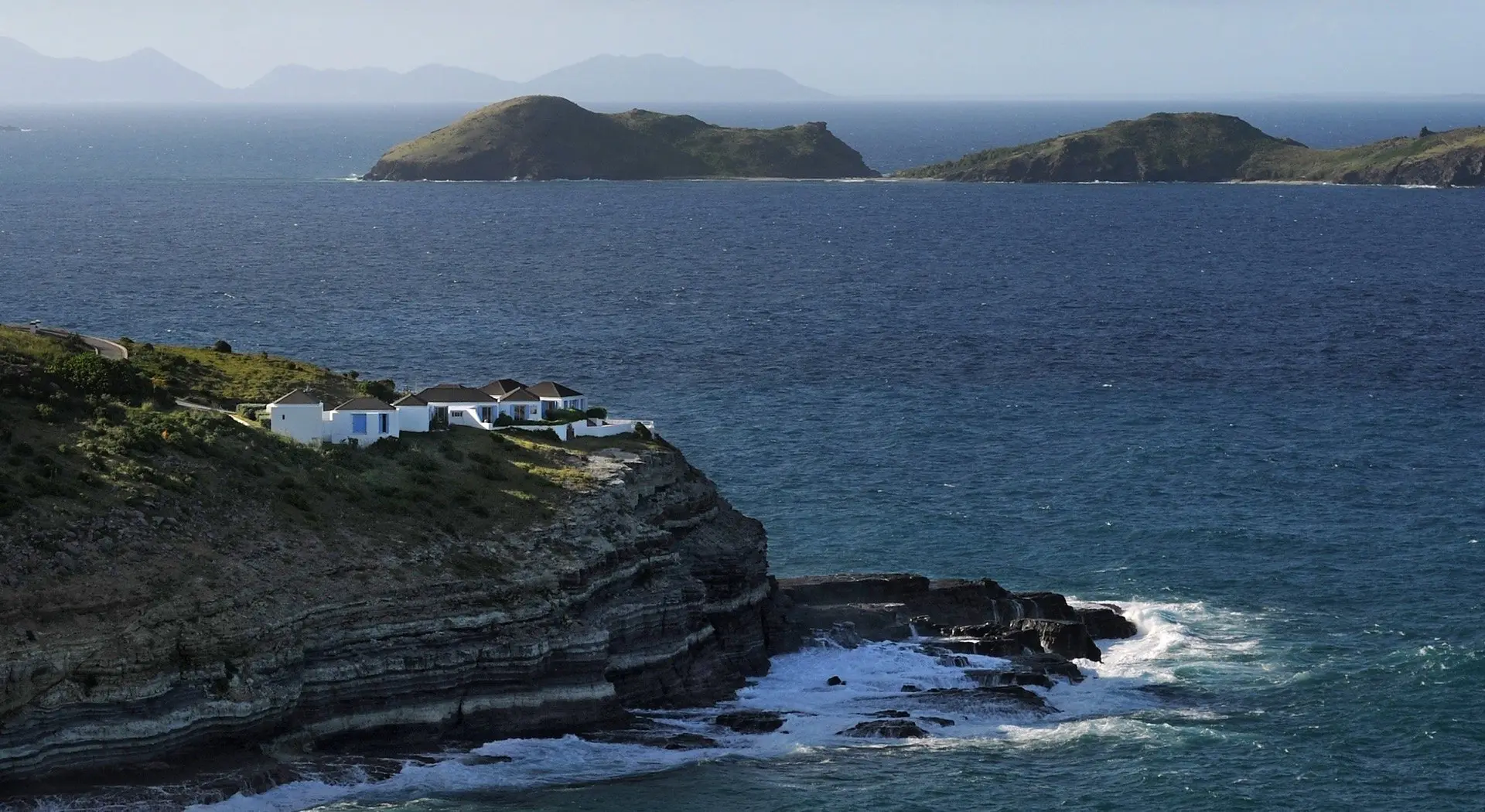
St Barts is a safe, easy island to stay healthy on, which is why the health-and-safety threads on the forums are mostly reassurance. Still, a few honest questions deserve honest answers before you go: is there proper medical care, do you need any jabs, is the water fine, and what are the actual risks? Here is the practical version, with no scaremongering and no glossing over.
Is St Barts safe? Yes, mostly from itself
Start with the reassuring part. St Barth is widely regarded as one of the safer islands in the Caribbean, with low crime and a relaxed feel. This is not an island where personal safety is the daily worry.
The risks that actually catch visitors out are environmental, not criminal. The sun is stronger than it feels with a sea breeze on your skin. The sea is beautiful but not uniform: sheltered bays are calm, while the exposed beaches on the wilder coast can have surf and currents. And the roads, as anyone who has driven them will tell you, are steep, narrow and unforgiving of inattention. Respect those three and you have handled the real hazards. Common sense still applies to belongings, especially not leaving valuables on show in an open Mini Moke, but violent crime is not the story here.
Medical care on the island
For peace of mind, know that care is close. There is a hospital in Gustavia that handles emergencies and everyday problems, and there are pharmacies in the main villages for prescriptions, sunburn, an upset stomach and the usual holiday complaints. For anything serious or specialised, patients can be transferred to a larger neighbouring island.
If you would rather not work out where to go while feeling unwell, this is something a villa concierge quietly handles: pointing you to the right pharmacy, arranging a doctor, or sorting transport. Our team at Yours St Barth deals with exactly these small emergencies so a stay stays relaxed.
Two reassuring specifics: the pharmacies are French pharmacies, with the range that implies, and the hospital copes with everyday problems while serious cases are sent to Saint-Martin.
Vaccinations, mosquitoes and the water
Two questions come up constantly, and both have calm answers. On vaccinations, a standard trip to St Barth does not carry the exotic disease risks that call for special jabs, but you should confirm current advice before travelling and keep your routine vaccines up to date. As anywhere in the Caribbean, mosquito-borne illnesses can occur, so packing a good insect repellent is a sensible, low-effort precaution, particularly around dawn and dusk.
On water, the tap supply is desalinated and treated, and the local habit is a good guide: use it to boil the pasta and brush your teeth, and drink bottled or spring water, which goes in the coffee machine too. It is cheap and everywhere.
On mosquitoes, three things we have learned living here: they are worse for a few days after each rain, a villa that takes the trade wind has far fewer of them, and dark clothes attract them. They go for the ankles first, so that is where the repellent goes first.
The sun, the sea and the road
If there is one section to take to heart, it is this, because it is where holidays actually go wrong. Wear real sun protection and reapply it, because the burn creeps up on you here. Check the conditions before swimming off the exposed beaches, and keep an eye on children near any surf. And treat the roads with respect: drive slowly, use low gear on the hills, and if you would rather not drive them at all, a private driver takes one of those three risks off your plate. Our guide to driving in St Barts covers the roads in detail.
Little to worry about
St Barts is a safe, healthy place to visit, with good medical care in Gustavia, pharmacies to hand, and no special jabs for a typical trip. Bring your own medication and travel insurance, pack repellent and serious sun protection, respect the sea and the roads, and the island gives you very little to worry about. For the packing side of all this, see our guide on what to pack.
Common questions
Is St Barts safe?
Yes. It is considered one of the safer Caribbean islands, with low crime. The real risks are not people but the environment: strong sun, a sea that can be rough or have currents on exposed beaches, and steep, narrow roads. Take normal precautions with valuables and you will be fine.
Is there a hospital in St Barts?
There is a hospital in Gustavia for emergencies and everyday care, plus pharmacies in the main villages. For anything serious or specialised, patients can be transferred to a larger island. Bring any regular medication with you, and travel insurance is strongly recommended.
Do you need vaccinations for St Barts?
For a typical trip there are no exotic disease risks that require special vaccinations, but confirm current health advice before you travel and keep routine vaccines up to date. Mosquito-borne illnesses do occur in the Caribbean, so packing insect repellent is sensible.
Can you drink the tap water in St Barts?
Tap water is desalinated and treated. The local habit is to use it for boiling pasta and brushing teeth, and to drink bottled or spring water, coffee machine included. Bottled water is cheap and available everywhere.
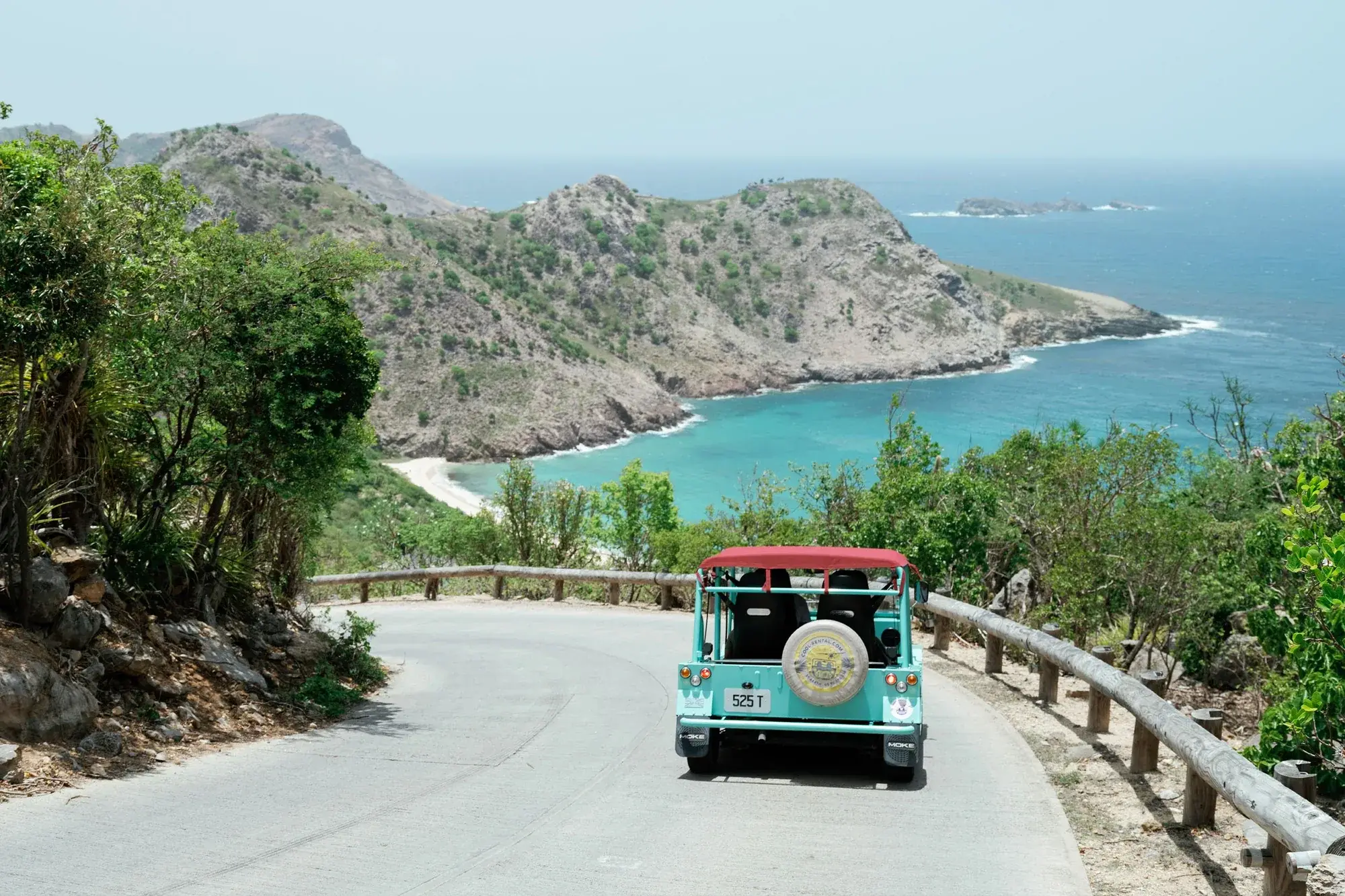
Driving in St Barts: Roads, Parking and Local Know-How
What driving in St Barts is really like: the steep narrow roads, the blind corners, where to park in Gustavia and St Jean, the fuel stations, and the local habits that keep it easy.
Read this next →More from the field guide
-
 Getting Around
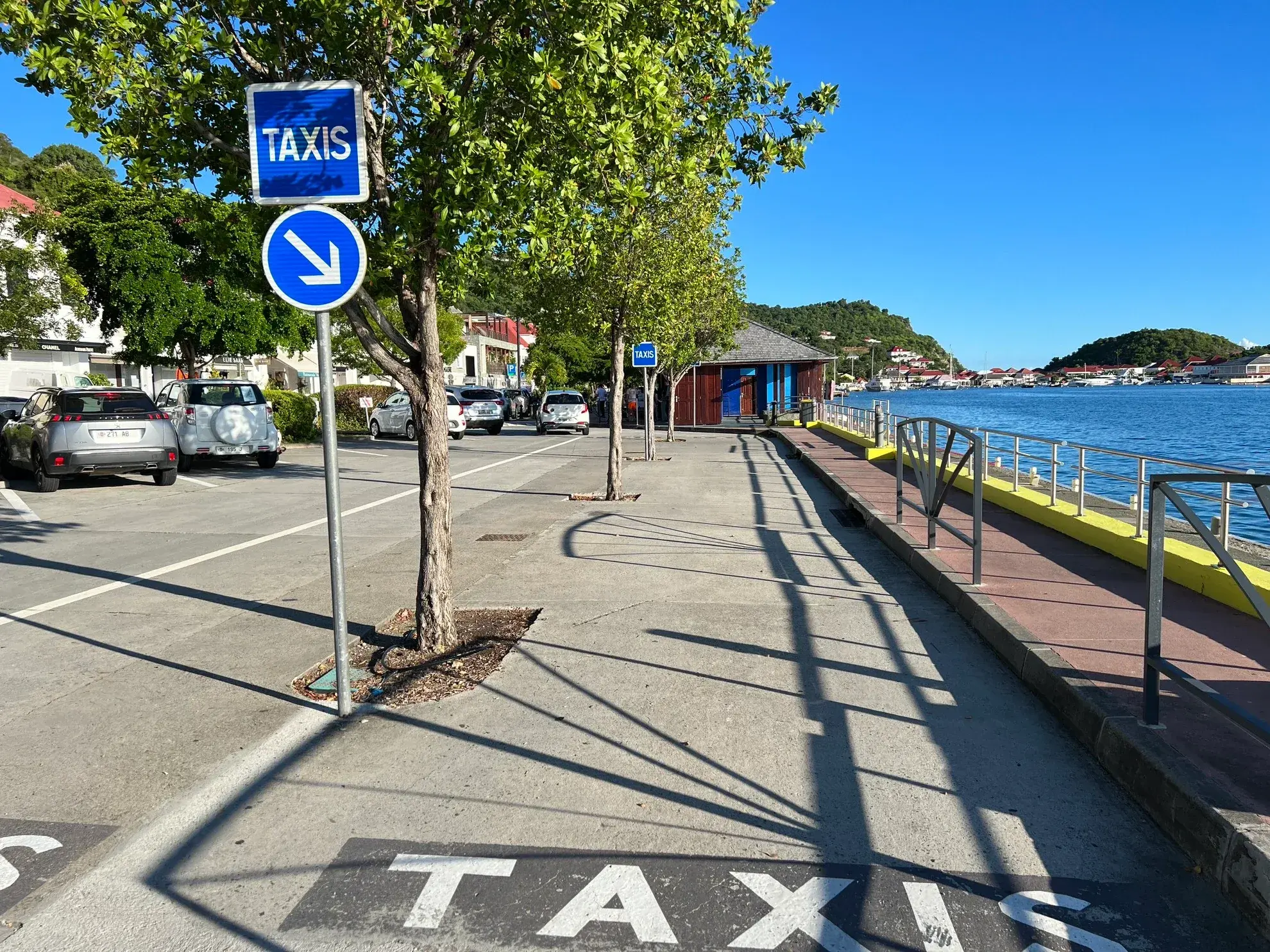
Do You Really Need a Car in Saint-Barth?
Do you need a car in St Barts? The honest answer depends on where you sleep. A resident’s take on walkable bases, the areas that demand wheels, and the no-drive options.
-
 Getting Around
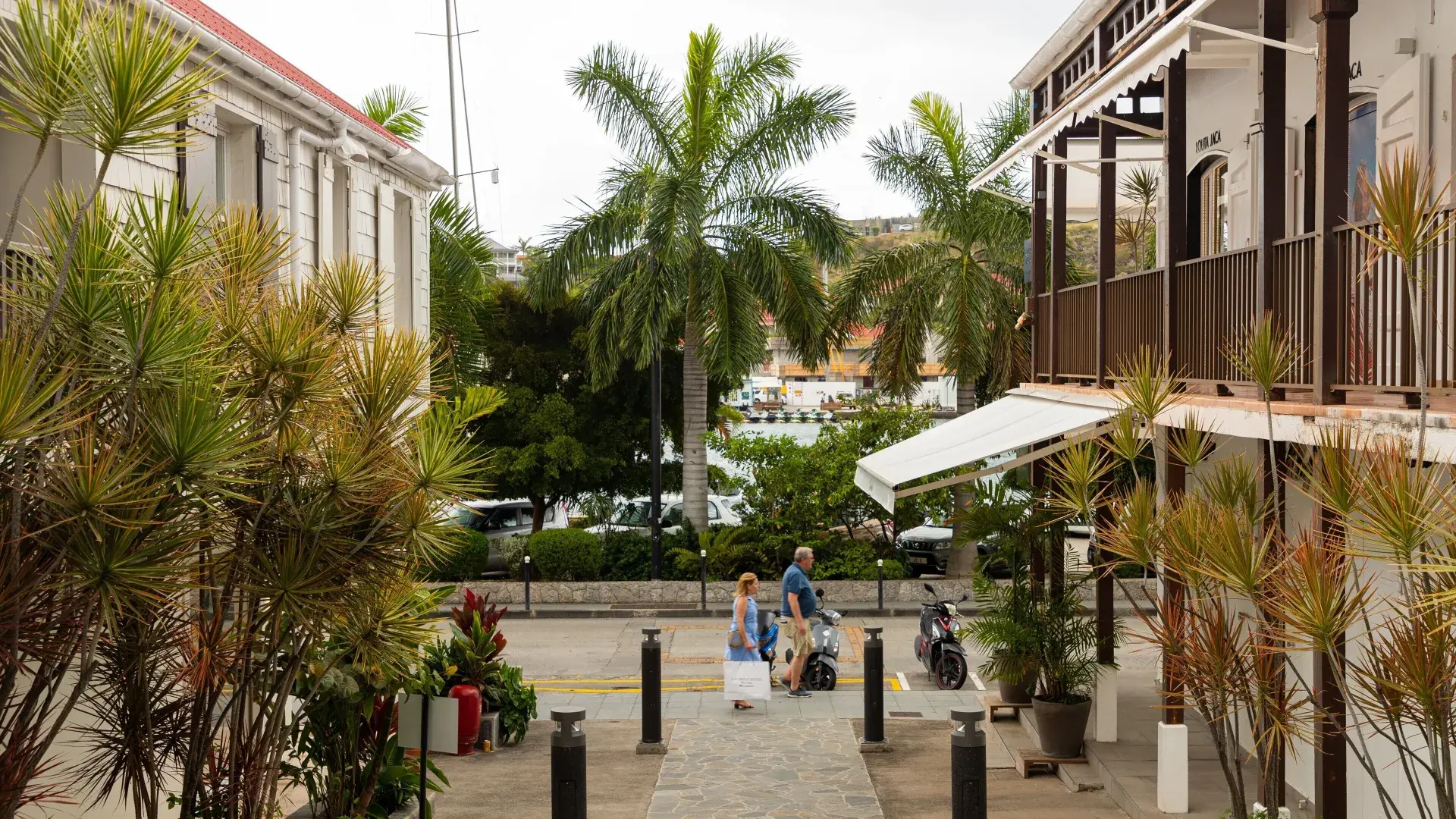
Getting Around St Barts Without a Car: Taxis and More
Can you visit St Barts without renting a car? A straight guide to taxis, private drivers, hotel shuttles, scooters and walking, and when you really do need your own wheels.